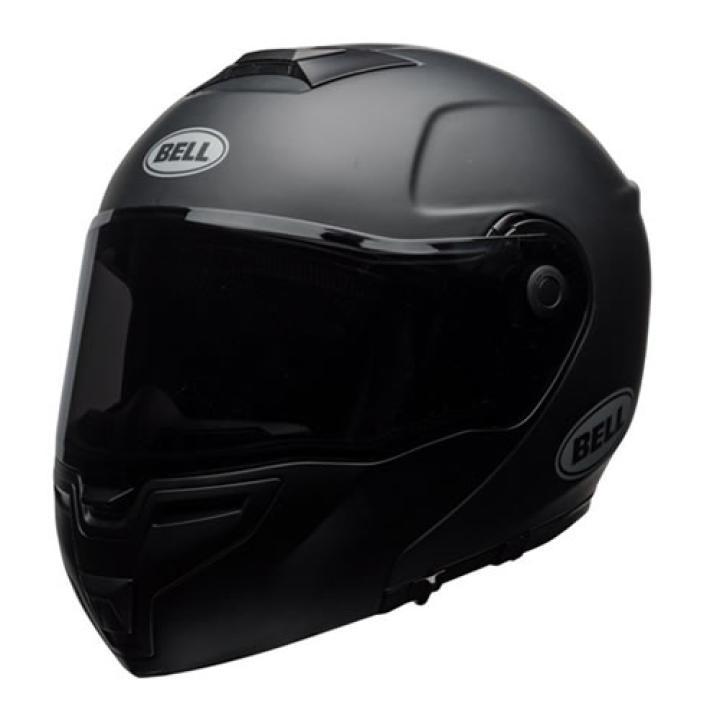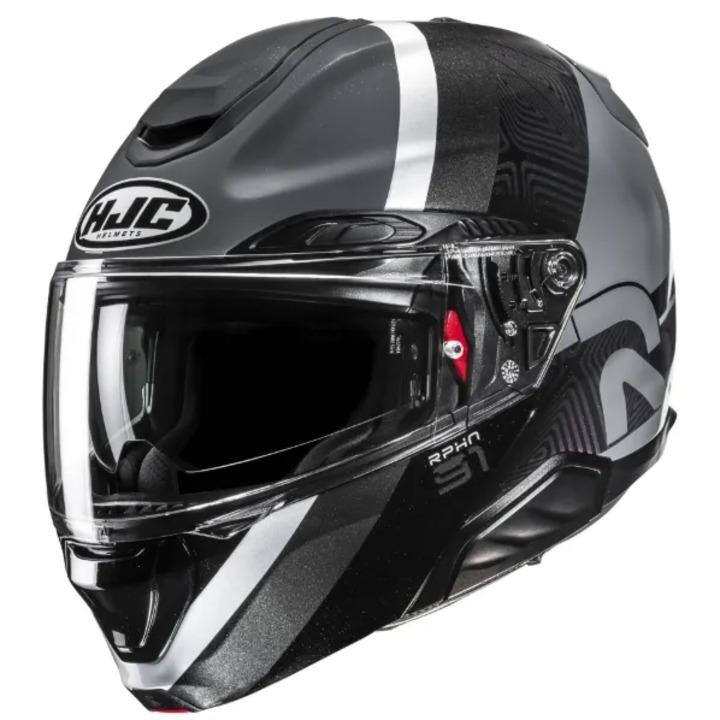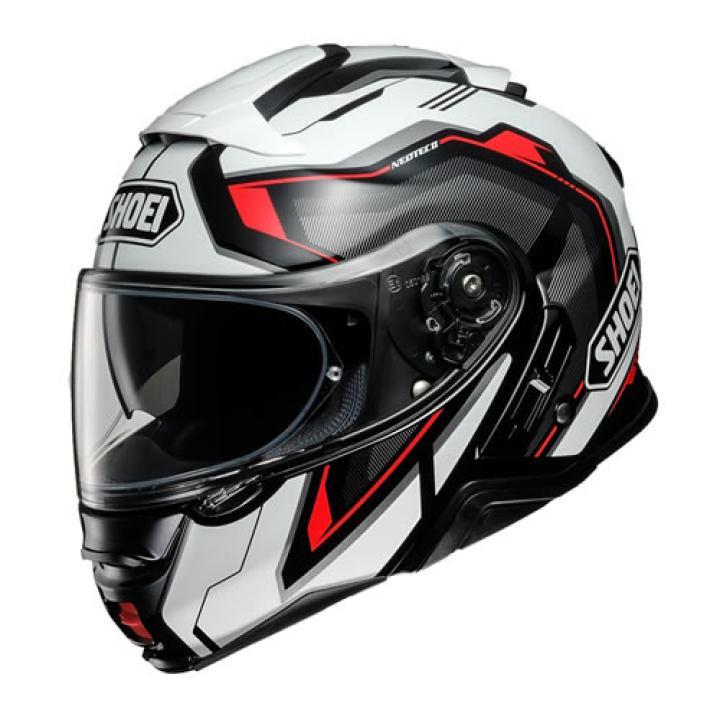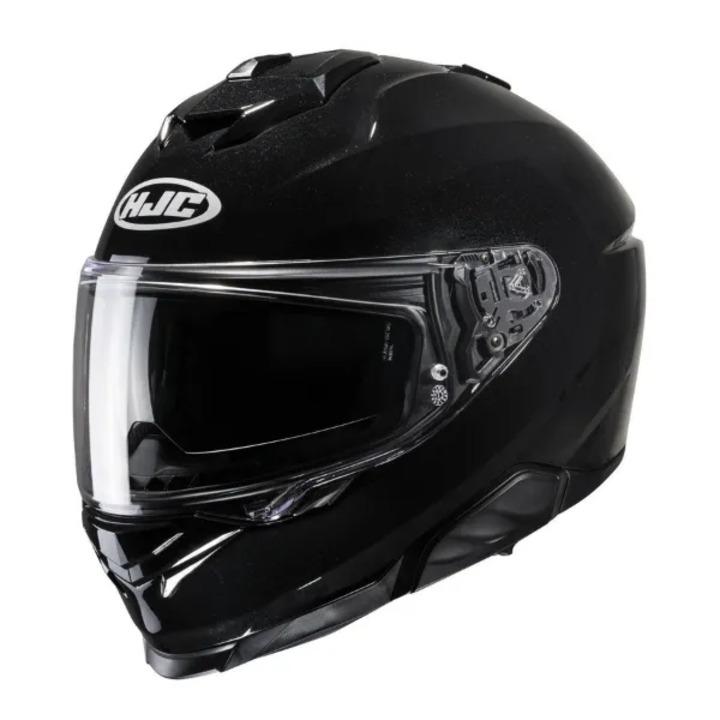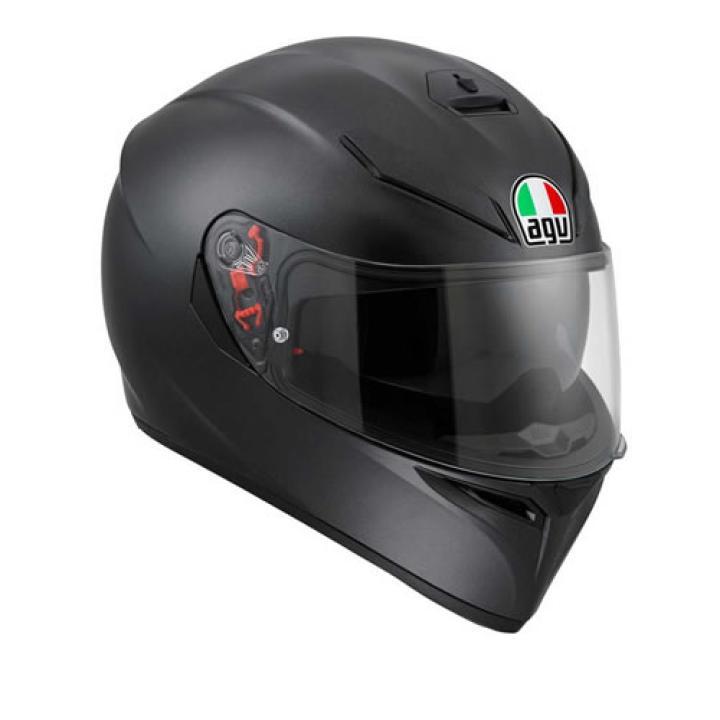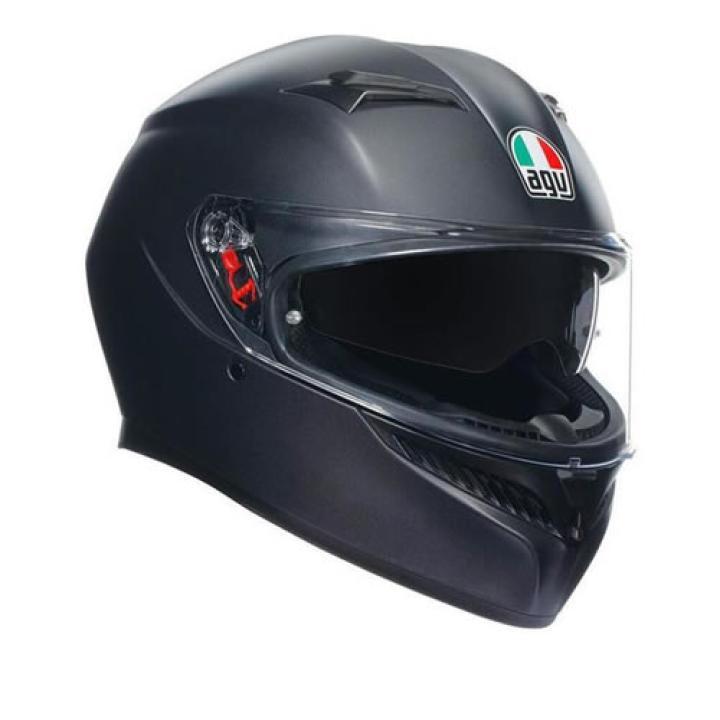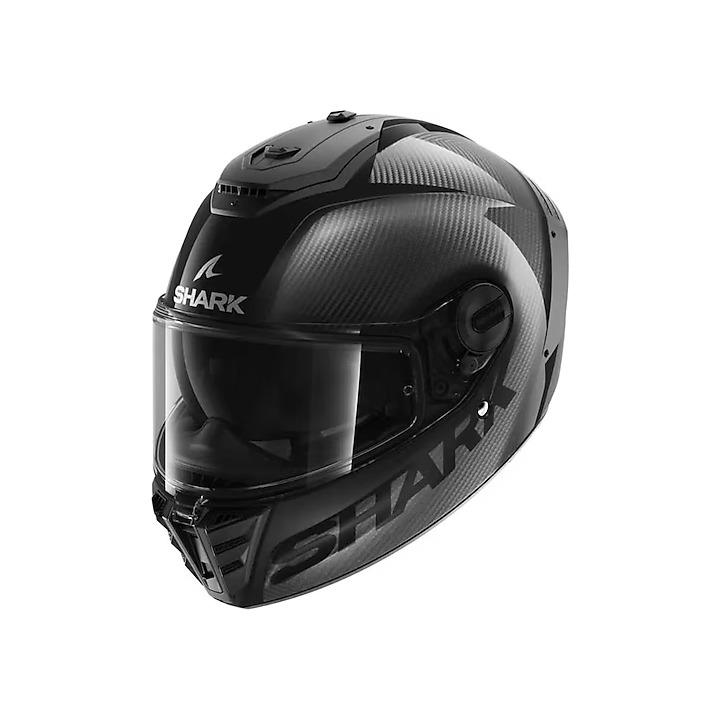
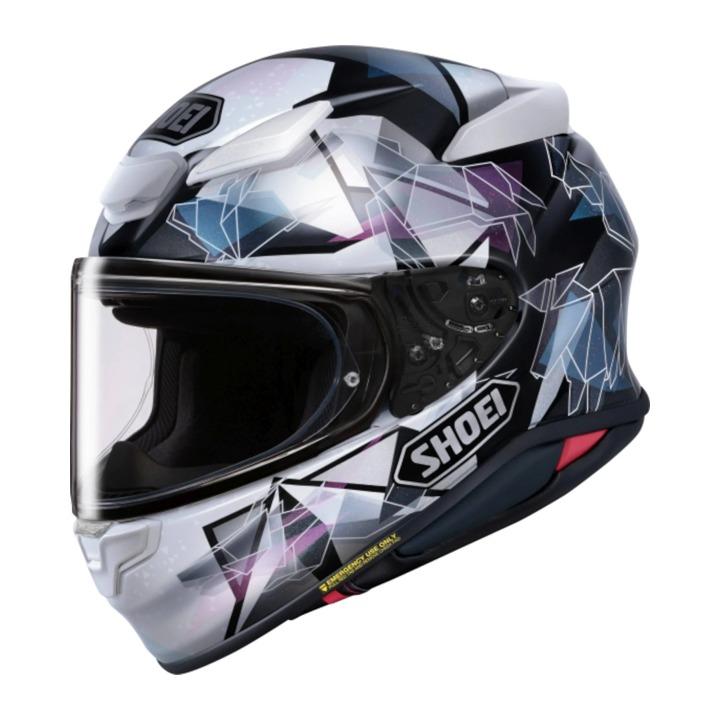
Mark your favourite helmet and vote — results update instantly, no account needed. Sharing your pick helps others deciding between these models.
No verified 6 / 7.5 / 8.5 m/s point data for these records. Legacy four zones are not placed into the three-speed map without a verified speed.

All rows look the same; turn the filter off.
| Feature | SPARTAN RS | Lithium |
|---|---|---|
| Brand | SHARK | BELL |
| Model | SPARTAN RS | Lithium |
| Product / model code | — | — |
| Safety summary | SHARP: 4.0 stars | SHARP: 4.0 stars |
| Helmet type | Full face | Full face |
| Durability | ||
| Weight | 1.5 kg | 1.6 kg |
| Size | XS S M L XL XXL | XS S M L XL |
| Listed price (reference) | $349.99 | $199 |
| Material | Composite fiber | Thermoplastic |
| Retention system | Double D-Ring | Quick release |
| Certification | UN ECE REG 22.06 | UN ECE REG 22.06 |
| Shell sizes | Multi size | Single size |
| Pinlock ready | Yes | Yes |
| Scratch-resistant visor | Yes | Yes |
| Quick-release visor | No | No |
| Removable cheek pads | No | Yes |
| Intercom ready | No | No |
| Ventilation channels | Yes | Yes |
| Internal sun visor | No | Yes |
| Removable liner | Yes | Yes |
Looking at the selected models side by side: All listed helmets share the same certification entry: UN ECE REG 22.06. SPARTAN RS is the lightest listed at 1.5 kg; the heaviest is Lithium at 1.6 kg (about 0.10 kg apart; weight can vary by size). An internal sun visor is listed for Lithium. These points summarise measurable catalogue fields; fit and real-world comfort still depend on trying the correct size.
SPARTAN RS is listed with UN ECE REG 22.06. Lithium is listed with UN ECE REG 22.06. On paper they share the same certification entry. ECE 22.05, ECE 22.06 and DOT are legal approval standards; a SHARP star rating (when present) is a separate independent lab assessment and must not be read as the same kind of result. We do not infer SHARP stars from an ECE mark alone. Verified SHARP ratings on this page: SPARTAN RS: 4.0 stars; Lithium: 4.0 stars.
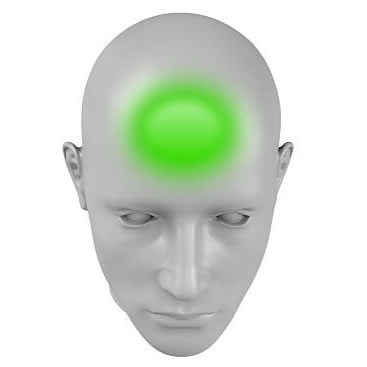
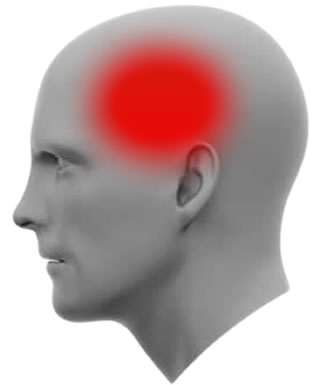
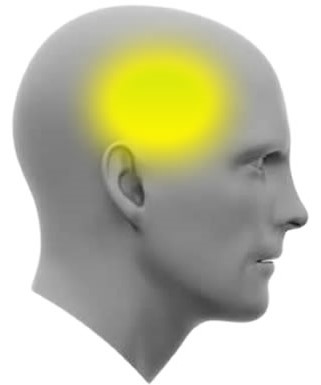
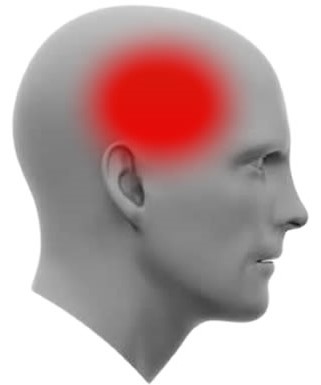
Our map stores regional codes on a 1–6 scale (greener ≈ stronger on this page; brown ≈ weaker). When verified multi-speed SHARP point data is present, you can switch 6 / 7.5 / 8.5 m/s and see front-top, front-lower, rear, left and right separately — missing speeds or points show “no data” and are never filled from another speed. Older records may only have the legacy four zones (front/rear/sides) without a verified speed label; those are not placed into the three-speed map. Zone colours are not the same thing as a SHARP star rating. For the models on this page where the safety source is marked SHARP, zone codes are treated as SHARP-linked map data.
Comparing the stored legacy zone codes: at the left side, SPARTAN RS maps stronger while Lithium maps weaker. These comparisons use the legacy four-zone fields only; impact speed was not verified for the three-speed map.
Listed weights: SPARTAN RS: 1.5 kg; Lithium: 1.6 kg. SPARTAN RS is the lightest in this set, about 0.10 kg below the heaviest. Treat this as catalogue data for a typical size — exact mass can change with size and lining.
Pinlock-ready anti-fog visor support is marked for SPARTAN RS and Lithium (ready/compatible in our catalogue — not “insert included in the box” unless the retailer says so); an internal sun visor is marked for Lithium; no internal sun visor flag for SPARTAN RS.