2026-05-15
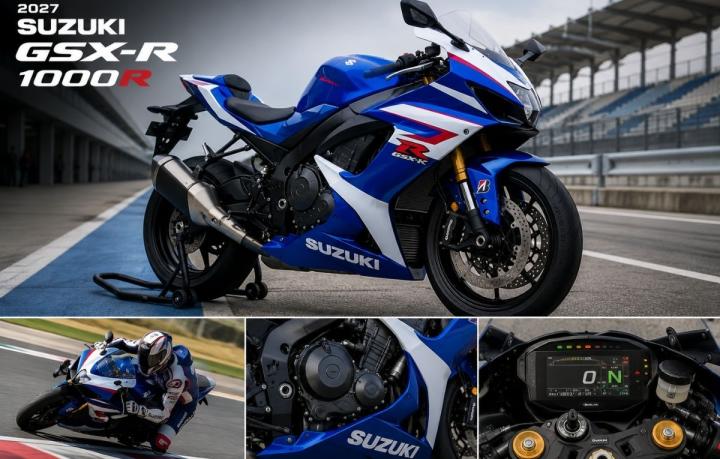
Suzuki has officially brought back one of the most legendary names in motorcycle history with the updated 2027 Suzuki GSX-R1000R. After years of uncertainty surrounding the future of Suzuki’s flagship superbike, the Japanese manufacturer has finally updated the iconic “Gixxer” to meet modern global regulations while keeping the aggressive DNA that made the GSX-R series famous worldwide.
For motorcycle enthusiasts, the GSX-R name carries enormous history. Since the launch of the original GSX-R750 in 1985, Suzuki’s superbike lineup has become one of the most recognizable sportbike families ever created. The GSX-R1000 first appeared in 2001 and quickly became a major player in the literbike wars against Honda, Yamaha, Kawasaki, Ducati, and BMW. Over the years, the motorcycle earned a reputation for brutal acceleration, race-winning performance, and surprisingly rider-friendly handling.
The 2027 Suzuki GSX-R1000R is not a completely redesigned motorcycle from the ground up. Instead, Suzuki focused on refining the existing platform to make it compliant with new emissions regulations while also modernizing the electronics package. Even though some fans expected a revolutionary redesign, Suzuki chose evolution instead of revolution.
One of the biggest strengths of the new GSX-R1000R remains its usability. According to early first-ride impressions, the motorcycle continues to feel incredibly easy to ride fast. While many modern superbikes have become extremely aggressive and demanding, the GSX-R1000R still offers predictable handling and confidence-inspiring power delivery. This balance could become one of its biggest advantages in real-world riding conditions.
The updated electronics package is one of the most important changes for 2027. Suzuki improved the rider assistance systems significantly, helping the motorcycle stay competitive against modern rivals. Riders now get upgraded traction control, improved riding modes, enhanced throttle response, launch control systems, and more refined electronic intervention during aggressive riding.
However, the GSX-R1000R still keeps some old-school characteristics that immediately stand out in 2027. One of the biggest criticisms from reviewers is the continued use of an LCD dashboard instead of a modern full-color TFT display like many competing superbikes now offer. While functional, the display already feels outdated compared to motorcycles from Ducati, BMW, Aprilia, and Yamaha.
Another area receiving criticism is the braking system. Although still powerful enough for aggressive riding, reviewers mention that the brakes no longer feel class-leading. In a segment where competitors constantly push advanced braking performance and electronic integration, Suzuki’s setup appears slightly behind the newest generation of superbikes.
Despite these criticisms, the GSX-R1000R still delivers something many modern motorcycles struggle to provide: character. The motorcycle continues offering the raw, mechanical, connected riding experience that made the GSX-R series legendary among sportbike enthusiasts. Many riders actually prefer this feeling compared to ultra-digital motorcycles that sometimes feel overly electronic.
Aerodynamically, Suzuki maintains the aggressive superbike styling that fans expect from the GSX-R lineup. Sharp fairings, race-inspired ergonomics, aerodynamic winglet-style body shaping, and the signature blue racing color scheme help the motorcycle instantly stand out on the road and track.
Suzuki also has a strong reputation in endurance racing, and this racing heritage still influences the GSX-R1000R heavily. Unlike motorcycles designed purely for peak horsepower numbers, the GSX-R continues focusing on stability, consistency, reliability, and long-term performance under hard riding conditions.
Pricing could also become a major advantage for Suzuki. While official pricing had not yet been fully confirmed during the first ride reviews, many expect the GSX-R1000R to be more affordable than some European rivals. If Suzuki manages to combine strong pricing with reliable performance, the motorcycle could become extremely attractive for riders wanting literbike performance without spending exotic superbike money.
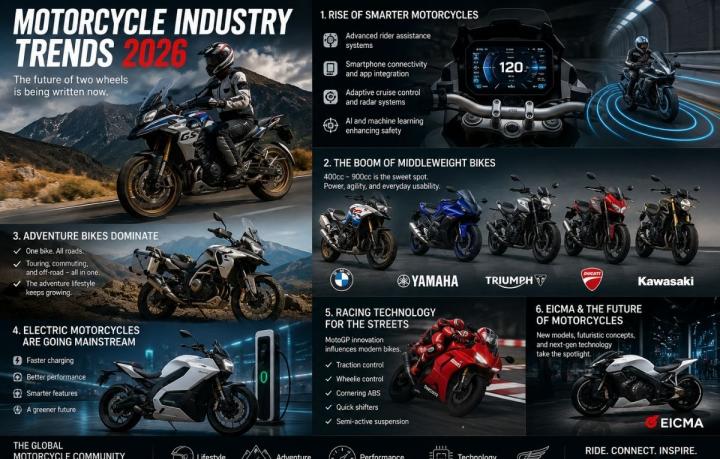
The superbike market itself is evolving rapidly in 2027. Manufacturers are pushing aerodynamics, electronics, AI-assisted rider systems, radar technology, and hybrid developments faster than ever before. In this environment, Suzuki’s decision to keep the GSX-R1000R familiar may actually appeal strongly to traditional riders who still want a raw superbike experience.
Even after all these years, the return of the GSX-R1000R proves one thing clearly: the Gixxer legend is far from over.