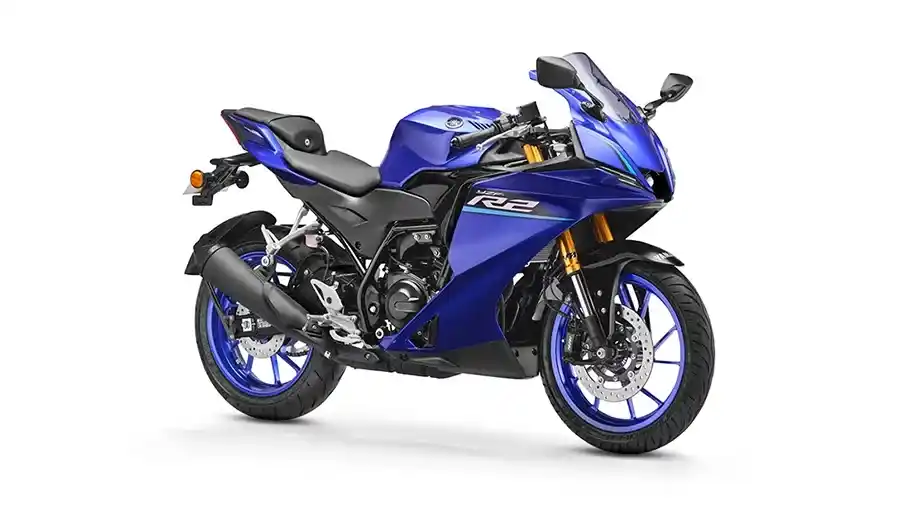
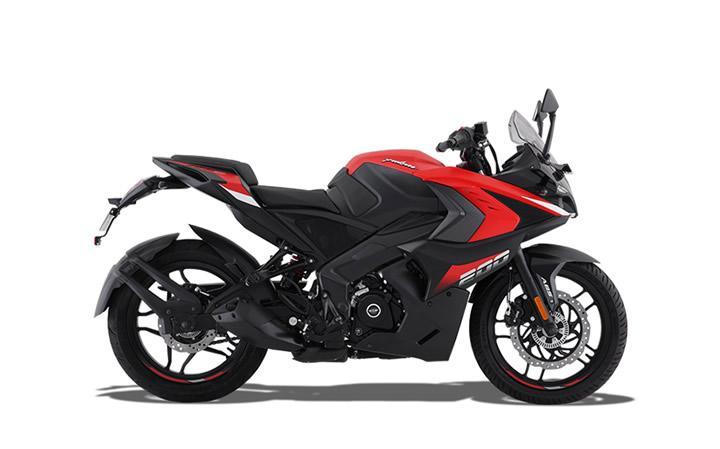
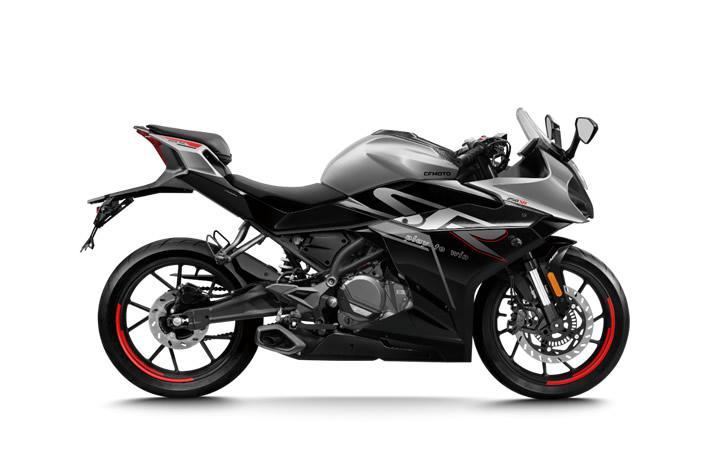
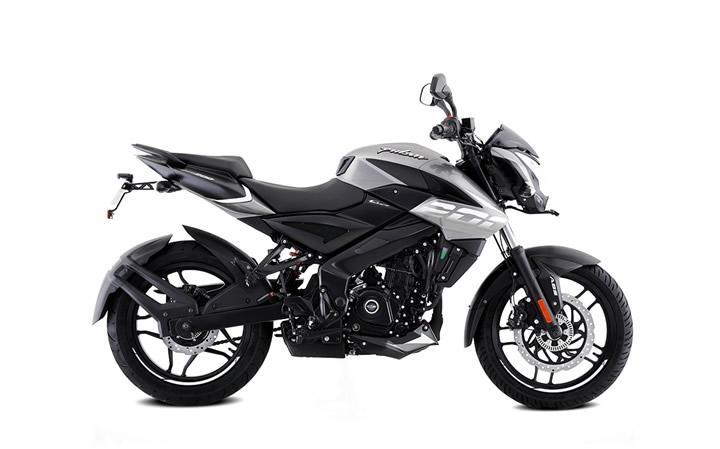
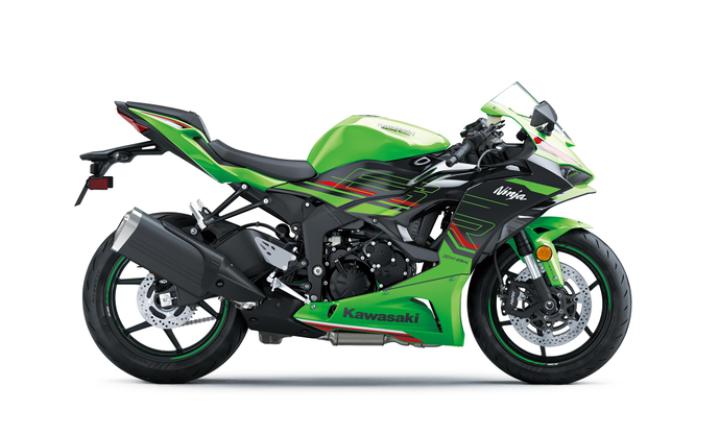
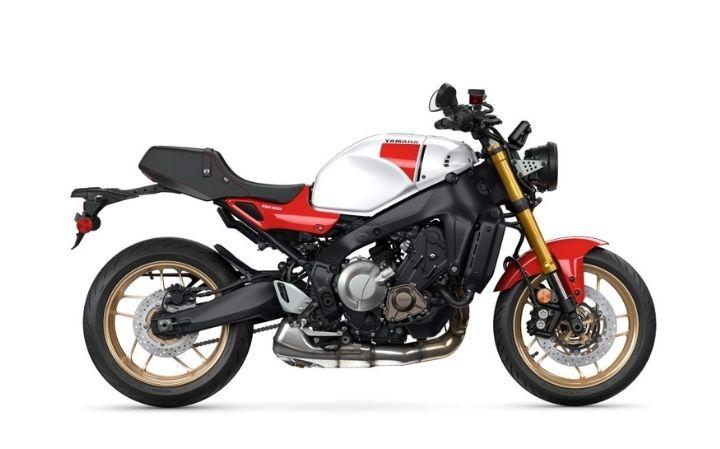
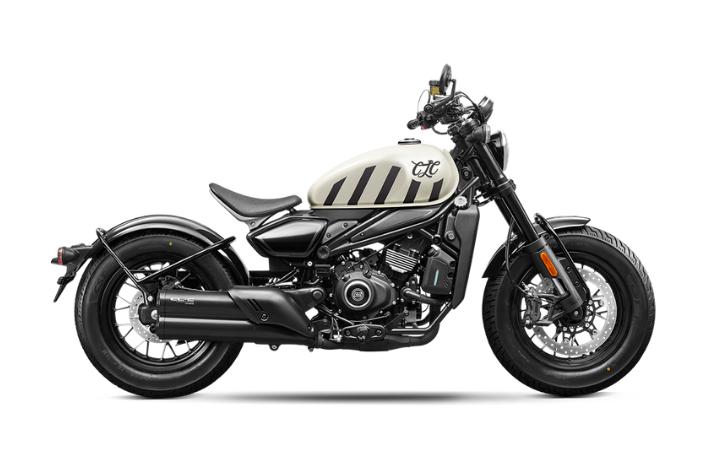
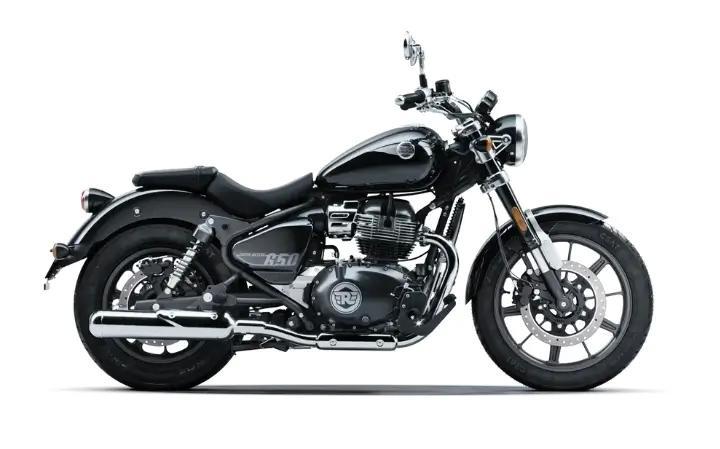
2026 Kawasaki Ninja 300 ABS vs 2026 Honda CB300F
Pick your favourite below and cast your vote — counts update right away and no registration is required. Sharing your choice helps others who read this comparison.
Scores, summary & seat (optional) Estimates and auto text from specs — open if you want them.
Technical score (estimate)
Weighted mix of power, torque, power-to-weight, top speed and lighter weight within this comparison only. Not a real-world verdict — riding style and roads matter.
Usage fit (estimate)
Rough scores for city riding, touring, sporty riding and new riders — mix of specs and bike category. Same caveats as the technical score: traffic, skill and tyres matter.
City / commute
Touring / long rides
Sporty riding
New rider friendly
Seat height (cm)
Figures are as in the database; boots, suspension sag and road surface change how tall the bike feels.
- 2026 Kawasaki Ninja 300 ABS 78 cm Lowest seat here
- 2026 Honda CB300F 78.9 cm Tallest seat here
Spread in this comparison: about 0.9 cm.
Rough guide: comfortable flat-foot reach often needs inseam roughly in the same ballpark as seat height (varies a lot by ergonomics).
Auto summary from specs
Generated from the numbers in the comparison — not a review.
- Power spans 24.1 hp (2026 Honda CB300F) up to 39 hp (2026 Kawasaki Ninja 300 ABS).
- Torque spans 25.6 Nm (2026 Honda CB300F) up to 26 Nm (2026 Kawasaki Ninja 300 ABS).
- Weight spans 153 kg (2026 Honda CB300F) to 175 kg (2026 Kawasaki Ninja 300 ABS).
- Engine sizes are very close.
All values look the same; turn off the filter.
| Specification | Kawasaki Ninja 300 ABS | Honda CB300F |
|---|---|---|
| Brand | KAWASAKI | HONDA |
| Model | Kawasaki Ninja 300 ABS | Honda CB300F |
| Engine size | 300cc | 300cc |
| Power | 39hp | 24.1hp |
| Torque | 26nm. | 25.6nm. |
| Cylinders / valves | Twin cylinder, 8 valves | Single cylinder, 4 valves |
| Weight | 175kg | 153kg |
| Front brake | Single 290 mm disc with dual-piston caliper and ABS. | Disc, 276 mm, 4-piston caliper |
| Rear brake | Single 220 mm disc with dual-piston caliper and ABS system. | Disc, 220 mm, 2-piston caliper |
| Seat height (cm) | 78cm | 78.9cm |
| Front tyre | 110/70-17 | 110/70-17 |
| Rear tyre | 140/70-17 | 150/60-17 |
| Cooling | Liquid cooling | Oil cooled |
| Front suspension | / Wheel Travel: 37 mm telescopic fork / 4.7 inches | |
| Rear suspension | / Wheel Travel: Gas-charged shock absorber with adjustable preload Uni-Trak swingarm / 5.2 inches | |
| Motorcycle type | Supersport | Naked |
| Top speed | 180km/h | 155km/h |
| Fuel capacity / consumption | 17 L – 5.5 L/100km | 14.1 L – 2.8 L/100km |
| Service network | ||
| Service quality | ||
| Parts availability | ||
| Price | Price not listed. | Price not listed. |
| Brand price lists | View KAWASAKI price list | View HONDA price list |
| Extra features | Front Suspension / Wheel Travel: 37 mm telescopic fork / 4.7 inches Rear Suspension / Wheel Travel: Gas-charged shock absorber with adjustable preload Uni-Trak swingarm / 5.2 inches |
Opinions
You need to vote for a model above before you can leave a short comment. Comments are published after editor approval.
No published opinions yet — you can be the first.
2026 Kawasaki Ninja 300 ABS vs 2026 Honda CB300F: listed specifications
The 2026 Kawasaki Ninja 300 ABS and 2026 Honda CB300F are closely matched in torque and displacement, while the Ninja 300 ABS has more peak power, and the higher listed top speed, and the CB300F has a lower listed weight.
Engine displacement
Ninja 300 ABS and CB300F have very similar engine displacement (300 cc vs 300 cc).
Peak power
Ninja 300 ABS has a clear listed power advantage (39 hp vs 24.1 hp).
Torque
Ninja 300 ABS and CB300F have very similar listed torque (26 Nm vs 25.6 Nm).
Listed top speed
Ninja 300 ABS has a clear listed top-speed advantage (180 km/h vs 155 km/h).
Cooling
Ninja 300 ABS is listed as liquid-cooled, and CB300F is listed as oil-cooled.
Weight and seat height
CB300F is notably lighter on the listed weight (153 kg vs 175 kg). Ninja 300 ABS and CB300F have very similar seat heights (78 cm vs 78.9 cm).
Conclusion
The measurable differences are therefore concentrated in peak power, listed top speed and weight, while displacement, torque and seat height remain relatively close.
Frequently asked questions
What is the top speed of Kawasaki Ninja 300 ABS vs Honda CB300F?
Kawasaki Ninja 300 ABS is listed at 180 km/h (112 mph) vs 155 km/h (96 mph) for Honda CB300F.
Which has more horsepower, Kawasaki Ninja 300 ABS or Honda CB300F?
Kawasaki Ninja 300 ABS has 39 hp compared with 24 hp on the Honda CB300F.
Which is lighter, Kawasaki Ninja 300 ABS or Honda CB300F?
Honda CB300F is lighter at 153 kg vs 175 kg for Kawasaki Ninja 300 ABS.
Which is better, Kawasaki Ninja 300 ABS or Honda CB300F?
It depends on your riding style. Compare top speed, weight, fuel use and price in the table on this page, then vote for the bike you prefer.
Similar comparisons
Other comparisons that share these bikes or were recently added.