2026-11-05
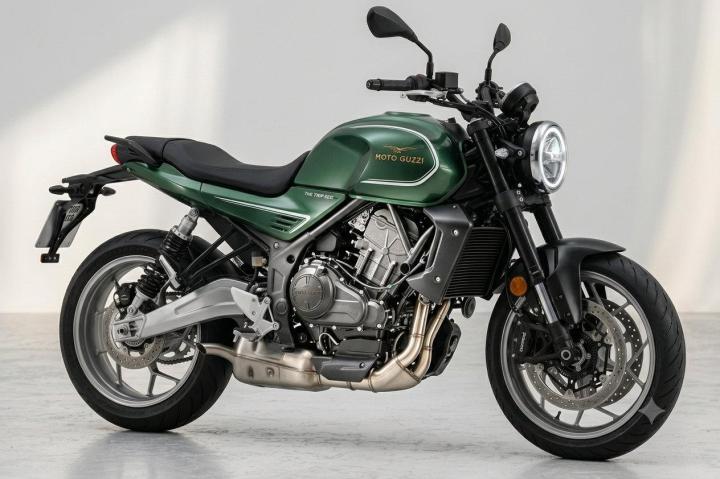
The 2027 Moto Guzzi The Trip 500 has officially been unveiled at EICMA 2026, introducing a new generation of lightweight Italian roadsters with a liquid-cooled parallel-twin engine, nearly 48 horsepower, 43.5 Nm of torque and a running-order weight of just 180 kg (397 lb). Designed to appeal to both new and experienced riders, the motorcycle combines distinctive retro-modern styling with advanced electronics and European A2 licence compatibility. Presented in Milan in November 2026, The Trip represents a major change for Moto Guzzi. Instead of the transverse V-twin layout traditionally associated with the brand, it uses a compact parallel-twin engine with a 270-degree crankshaft. Its equipment includes three riding modes, ride-by-wire throttle control, traction control, dual-channel ABS, an adjustable seat-height range and a circular 3.6-inch TFT instrument display. How much does the Moto Guzzi The Trip 500 cost? Is its engine really 457cc? What is its top speed, and when will it be available in the UK, Europe and other markets? Here is everything currently known about the 2027 Moto Guzzi The Trip 500 price, specifications, horsepower, engine, weight, seat height, fuel consumption and release date. Last updated: November 5, 2026. Moto Guzzi has confirmed the motorcycle's main specifications and an early-2027 dealership launch target. However, its exact engine displacement, official retail prices and country-specific release dates remain unconfirmed. The Trip 500 introduces a new middleweight roadster platform that emphasizes approachable handling, everyday usability and an engaging engine character. The following table separates specifications confirmed by Moto Guzzi from details that have not yet been officially published. Specifications are based on Moto Guzzi's October 28 and November 3, 2026 announcements. The manufacturer describes the motorcycle as a 500-class model but has not published a precise displacement in the referenced official information. Final regional specifications may vary. The Moto Guzzi The Trip 500 uses a liquid-cooled parallel-twin engine with a 270-degree crankshaft. However, the manufacturer has not yet confirmed the engine's exact cubic-centimetre displacement in its detailed unveiling statement. Some motorcycle publications suggest that the new Moto Guzzi may use a 457cc engine related to the Aprilia 457 platform. That is a plausible technical connection, considering that Moto Guzzi and Aprilia are both part of the Piaggio Group, but the shared displacement and engineering relationship should not be treated as officially confirmed without further technical documentation. The name "The Trip 500" identifies the motorcycle's product category rather than independently proving an exact 500cc displacement. For now, the safest description is a 500-class, liquid-cooled, parallel-twin roadster. Moto Guzzi states that The Trip produces nearly 48 horsepower and is fully compatible with the European A2 motorcycle licence category. The manufacturer has not provided a more precise horsepower figure in the referenced press release. Maximum torque is confirmed at 43.5 Nm (32.1 lb-ft) at 6,500 rpm. More importantly for daily riding, Moto Guzzi reports that 82% of peak torque is already available at 3,000 rpm. This suggests that the engine has been tuned to provide useful response at low and middle engine speeds, rather than concentrating its performance exclusively near the rev limiter. The engine uses a 270-degree crankshaft configuration. This crank arrangement influences firing intervals and engine character, providing a different feel from a conventional evenly firing parallel-twin. Moto Guzzi emphasizes the engine's smoothness, low vibration and accessible torque delivery. Whether the final production engine feels more relaxed or sporting will become clearer through independent road testing. Moto Guzzi has not published an official maximum speed for The Trip 500. Its nearly 48 hp output and relatively low 180kg running-order weight suggest an emphasis on accessible road performance. However, a reliable top-speed number cannot be calculated from horsepower alone. Final gearing, aerodynamics, rider weight, electronic restrictions and environmental conditions influence maximum speed. The manufacturer has also not released a confirmed 0–60 mph or 0–100 km/h acceleration time. Independent performance testing should provide a more accurate picture of acceleration and high-speed capability once production motorcycles reach dealerships. The Moto Guzzi The Trip 500 weighs 180kg in running order, approximately 397 lb. Moto Guzzi identifies it as the lightest and most accessible motorcycle in its current lineup. The compact steel trellis frame contributes to a relatively manageable overall package. Weight is especially important for urban riders who regularly manoeuvre between parked vehicles, make tight turns or move their motorcycle manually. However, actual handling ease also depends on the motorcycle's centre of gravity, steering geometry, handlebar leverage and rider experience. The standard seat height is 790mm, equivalent to 31.1 inches. Moto Guzzi also offers two alternative seats designed to accommodate different rider preferences. The availability of an optional 770mm seat may make The Trip particularly interesting to riders looking for a motorcycle with an approachable seating position. Nevertheless, seat height is only one part of motorcycle ergonomics. Seat width, suspension sag, rider inseam and footwear can all affect how comfortably a rider reaches the ground. A dealership test sit is recommended before purchasing. As of November 5, 2026, Moto Guzzi has not announced the official retail price of The Trip 500. The manufacturer has confirmed that the motorcycle is scheduled to arrive at official dealerships in early 2027, but regional price lists remain pending. Its final price will depend on local taxes, distribution, standard equipment and any accessories selected by the buyer. Until official pricing is released, exact figures circulating online should be regarded as unofficial estimates. No official UK on-the-road price has been announced. The Trip's accessible A2-compatible engine and light roadster design suggest that it will target riders seeking a smaller Moto Guzzi, but its final UK market position cannot be established without confirmed pricing. Moto Guzzi has not yet published confirmed retail prices for Italy, Germany, France, Spain or other individual European markets. Local distributor announcements will determine the applicable prices and accessories. No official US MSRP has been announced, and American retail availability has not been confirmed. It is therefore too early to state whether The Trip 500 will become available through the Moto Guzzi US dealer network. Moto Guzzi has not announced a confirmed India-market price or launch date for The Trip 500. Any pricing predictions should be distinguished from official manufacturer information. Moto Guzzi plans to make The Trip 500 available through official dealerships in early 2027. The motorcycle was initially announced on October 28, 2026, with more detailed information released on November 3 ahead of EICMA's public exhibition days. However, an international launch target is not the same as a confirmed delivery date in every country. The broader dealership launch is planned for early 2027, but an exact UK delivery date has not been confirmed. European markets are expected to be central to the model's rollout, with official dealer availability targeted for early 2027. Specific timing may vary by country. Moto Guzzi has not yet confirmed a US dealership launch or MSRP for The Trip 500. Prospective buyers should monitor official regional announcements rather than assume the motorcycle will be distributed worldwide. Yes. Moto Guzzi explicitly describes The Trip 500 as fully compatible with the European A2 motorcycle licence category. Under the standard European A2 framework, motorcycles must meet a maximum power limit of 35 kW and a power-to-weight limit of 0.2 kW/kg, along with other applicable requirements. The Trip's announced output and weight are consistent with its A2-focused positioning. Exact licensing rights in the UK and individual European countries still depend on local regulations and the motorcycle's registered specifications. Because the motorcycle is positioned as an accessible roadster, it may appeal to A2 riders looking for an alternative to sportier middleweight naked bikes. Moto Guzzi equips The Trip 500 with ride-by-wire throttle control and three electronically selectable riding modes. Each mode adjusts the motorcycle's power delivery and traction control calibration. The system allows riders to adapt the motorcycle's behavior to different situations without changing the underlying engine hardware. Riding modes assist control but cannot compensate for unsafe speeds, worn tyres or poor road conditions. Yes. The Trip 500 includes electronic traction control and dual-channel ABS. Traction control is integrated with the three riding modes, helping regulate engine delivery when rear-wheel slip is detected. The braking system includes conventional ABS assistance at both wheels. Moto Guzzi has not identified a six-axis IMU or cornering ABS in the confirmed launch specification, so it would be inaccurate to describe the model as having lean-sensitive braking assistance without further confirmation. A quickshifter will be offered as an optional accessory for The Trip 500. It is not listed as standard equipment in the manufacturer's initial specification. The system is intended to make gear changes more convenient under appropriate riding conditions. However, detailed information about supported shift directions and market availability should be confirmed through final accessory documentation. The Trip uses a compact tubular steel trellis frame designed to balance predictable handling with relatively low weight. Its front suspension consists of a 41mm fork with adjustable spring preload. At the rear, a side-mounted monoshock also offers preload adjustment. Braking hardware includes a 320mm front disc with a radially mounted caliper and a 220mm rear disc with a twin-piston caliper. Both wheels are supported by dual-channel ABS. This combination is intended to deliver comfortable daily riding without sacrificing agility on winding roads. Independent tests will establish how the suspension behaves over rough urban surfaces and during more enthusiastic cornering. The Trip 500 features a 3.6-inch circular colour TFT instrument display. The display is designed to reflect Moto Guzzi's traditional visual identity while introducing modern digital information. Smartphone connectivity is included, and the handlebar switchgear is backlit for improved night-time usability. Moto Guzzi will also offer optional pictogram navigation, providing simplified directions through the instrument system. Navigation availability and phone compatibility should be checked against regional accessory specifications. The Moto Guzzi The Trip 500 has a 15-litre metal fuel tank, equivalent to approximately 4.0 US gallons. The manufacturer highlights this capacity as an important feature for practical road use. However, official standardized fuel consumption figures have not yet been confirmed in the initial product announcement. Without reliable fuel economy data, it is not possible to calculate an accurate single-tank riding range. Real-world range will depend on riding style, road conditions, speed, passenger weight and other factors. No official miles-per-gallon or litres-per-100-kilometres figure has been published for The Trip 500. Even though it is a relatively light middleweight motorcycle, weight and engine displacement alone are not enough to predict precise fuel consumption. Owners will need certified fuel economy data or independent road tests to establish realistic running costs. Until those figures become available, any exact mpg estimate should be treated as speculative. Moto Guzzi has introduced three main colour schemes for The Trip: The company has also announced a special version called The Opening. The Opening edition celebrates the start of a new chapter for Moto Guzzi, although its final pricing, production numbers and country-specific availability have not been fully detailed. Moto Guzzi is famous for its distinctive transverse V-twin motorcycles. Models such as the V7, V9, V85 TT and V100 Mandello have helped establish that engine layout as an essential part of the brand's identity. The Trip 500 takes a different approach. By using a compact, liquid-cooled parallel-twin engine, Moto Guzzi is expanding into a category where accessibility, cost and manageable size are especially important. The motorcycle also offers an opportunity to introduce the brand to riders who may previously have considered its larger models too heavy or expensive. This is not necessarily a replacement for traditional Moto Guzzi V-twins. Instead, The Trip appears to represent an additional entry point into the brand. The Aprilia Tuono 457 is one of the most interesting motorcycles to compare with the Moto Guzzi The Trip 500. Both brands belong to the Piaggio Group, and both motorcycles target riders interested in relatively lightweight twin-cylinder machines. However, their design philosophies are different. The Tuono 457 emphasizes aggressive sporty styling and dynamic road performance. The Trip 500 adopts a cleaner, retro-modern design with an accessible seating position and traditional roadster proportions. Although some publications have suggested an engine relationship between the models, the exact engineering connection has not been conclusively detailed in Moto Guzzi's initial official release. A complete technical comparison should therefore wait for The Trip's finalized displacement and production specifications. The Honda CB500 Hornet is another potential alternative in the A2-compatible naked motorcycle segment. Both models emphasize a balance of approachable power and everyday practicality. The Honda has an established middleweight platform, while the Moto Guzzi offers distinctive Italian styling and a new electronic equipment package. The Trip's 180kg running-order weight and optional low seat may be particularly interesting to riders prioritizing manageable size. However, final retail pricing and real-world riding tests will be necessary to establish which motorcycle provides better value in each market. Based on its A2-compatible engine output and roadster configuration, potential alternatives include: These motorcycles differ in engine displacement, weight, ergonomics, electronic equipment and local price. Compare available motorcycle specifications through SBK Motorcycle Comparisons. The Trip 500 offers an interesting combination of classic Italian design and modern rider-focused technology. Its main strengths on paper include: Several questions remain unanswered, including the retail price, exact displacement, top speed, fuel economy and complete regional availability. As a result, buyers should evaluate the motorcycle against its eventual market price and the performance of production models. The Moto Guzzi The Trip 500 is more than just another middleweight naked motorcycle. Its compact parallel-twin engine marks a notable departure from the brand's traditional transverse V-twin identity. At the same time, its circular lighting, carefully styled fuel tank and Italian roadster proportions preserve a recognizable Moto Guzzi character. The combination of nearly 48 hp, 180kg running-order weight, accessible seat options and three riding modes suggests that the motorcycle has been developed for real-world usability rather than maximum specifications. SBK Motorcycle assessment: The Trip 500 could become an appealing choice for A2 riders and experienced motorcyclists seeking a lightweight, distinctive everyday roadster. Its commercial success will depend on pricing, build quality, dealer support and independent riding impressions. This article will be updated when Moto Guzzi confirms further technical specifications, official pricing and additional international launch details. Find answers to the most common questions about the 2027 Moto Guzzi The Trip 500, including price, horsepower, top speed, release date, engine size, seat height, weight and A2 licence compatibility. Moto Guzzi describes The Trip as a 500-class motorcycle with a liquid-cooled parallel-twin engine. The exact displacement has not yet been specified in its official launch announcement. Some motorcycle publications report a possible 457cc engine, but Moto Guzzi has not officially confirmed that exact displacement in its initial detailed announcement. Moto Guzzi states that The Trip 500 produces nearly 48 horsepower and is compatible with the European A2 licence category. The Trip develops 43.5 Nm, approximately 32.1 lb-ft, at 6,500 rpm. Moto Guzzi says 82% of peak torque is available at 3,000 rpm. As of November 5, 2026, Moto Guzzi has not announced an official retail price for The Trip 500. Dealer availability is planned for early 2027. No confirmed UK on-the-road price has been published. Final pricing will be announced by Moto Guzzi or its regional distributors. Official prices for Italy, Germany, France and other individual European markets have not yet been announced. Moto Guzzi has not confirmed American retail availability, a US MSRP or an exact dealership arrival date for The Trip 500. Moto Guzzi plans to introduce The Trip through official dealerships in early 2027. Exact delivery dates may vary by country. The Trip was first officially announced on October 28, 2026, with detailed information released on November 3 ahead of its EICMA 2026 exhibition. Moto Guzzi has not officially announced a top speed. Reliable maximum-speed figures will require finalized technical specifications or independent testing. An official 0–60 mph or 0–100 km/h acceleration figure has not yet been published for The Trip 500. The Trip 500 has a manufacturer-quoted running-order weight of 180kg, approximately 397 lb. The standard seat is 790mm (31.1 inches). Optional 770mm low and 820mm high seats are also available. Yes. Moto Guzzi explicitly confirms that The Trip 500 is compatible with the European A2 motorcycle licence category. No. Unlike Moto Guzzi's traditional transverse V-twin models, The Trip 500 features a liquid-cooled parallel-twin with a 270-degree crankshaft. The Trip has a 15-litre metal fuel tank, equivalent to approximately 4.0 US gallons. Official comparable fuel consumption figures have not yet been published, so an accurate mpg figure and single-tank range remain unconfirmed. It has three riding modes: Road, Sport and Rain. Each mode adjusts throttle response and traction control calibration. Yes. The Trip 500 includes electronic traction control, with intervention characteristics linked to its selectable riding modes. Yes. The Trip 500 features dual-channel ABS, a 320mm front brake disc and a 220mm rear brake disc. A quickshifter will be available as an optional accessory. It is not listed as standard equipment in the initial launch information. Yes. The Trip has a circular 3.6-inch colour TFT display with smartphone connectivity. Pictogram navigation is an optional accessory. Three main colours have been announced: Black Metropolis, Green Grove and Red Beat. Moto Guzzi has also introduced a special edition called The Opening. Potential alternatives include the Honda CB500 Hornet, Aprilia Tuono 457, Kawasaki Z500, Royal Enfield Guerrilla 450 and CFMOTO 450NK. Their specifications, prices and riding characteristics differ. No matching questions found. Try another keyword. Updated November 5, 2026. The exact engine displacement, top speed, pricing and regional delivery schedules remain subject to official confirmation. Published: November 5, 2026. This article is based on official information available following The Trip's EICMA presentation. Exact displacement, retail prices, top speed and final market delivery dates have not yet been confirmed.2027 Moto Guzzi The Trip 500 Specifications
Specification Moto Guzzi The Trip 500 Model The Trip 500 Expected model year 2027 First announcement October 28, 2026 Detailed unveiling November 3, 2026 Exhibition EICMA 2026, Milan Motorcycle category Naked / Roadster Engine class 500-class motorcycle Exact engine displacement Not officially specified Engine configuration Parallel-twin Engine cooling Liquid-cooled Crankshaft configuration 270 degrees Maximum power Nearly 48 hp / approximately 35 kW Maximum torque 43.5 Nm / 32.1 lb-ft Peak torque rpm 6,500 rpm Torque at 3,000 rpm 82% of maximum torque Transmission Manual; exact number of gears not confirmed Electronic throttle Ride-by-wire Riding modes Road, Sport and Rain Traction control Yes, riding-mode dependent ABS Dual-channel ABS Frame Tubular steel trellis Front suspension 41mm fork, preload adjustable Rear suspension Side-mounted monoshock, preload adjustable Front brake 320mm disc, radially mounted caliper Rear brake 220mm disc, two-piston caliper Standard seat height 790mm / 31.1 inches Optional low seat 770mm / 30.3 inches Optional high seat 820mm / 32.3 inches Running-order weight 180kg / approximately 397 lb Fuel tank capacity 15 litres / approximately 4.0 US gallons Instrument display 3.6-inch circular TFT Smartphone connectivity Yes Lighting Full LED Quickshifter Optional accessory Pictogram navigation Optional accessory European licence class A2 compatible Colours Black Metropolis, Green Grove, Red Beat Special edition The Opening Official top speed Not announced Official fuel economy Not announced UK price Not announced European price Not announced US MSRP Not announced European availability Early 2027 planned Moto Guzzi The Trip 500 Engine: Is It Really 457cc?
How Much Horsepower Does the Moto Guzzi The Trip 500 Produce?
Why Is the 270-Degree Crankshaft Important?
Moto Guzzi The Trip 500 Top Speed: How Fast Is It?
Performance Measurement Current Information Maximum horsepower Nearly 48 hp Maximum torque 43.5 Nm Top speed (mph) Not officially confirmed Top speed (km/h) Not officially confirmed 0–60 mph Not officially confirmed 0–100 km/h Not officially confirmed Moto Guzzi The Trip 500 Weight: Just 180kg
Moto Guzzi The Trip 500 Seat Height: Is It Suitable for Short Riders?
Seat Option Height Low seat 770mm / 30.3 inches Standard seat 790mm / 31.1 inches High seat 820mm / 32.3 inches Moto Guzzi The Trip 500 Price: How Much Will It Cost?
Moto Guzzi The Trip 500 UK Price
Moto Guzzi The Trip 500 European Price
Moto Guzzi The Trip 500 USA Price
Moto Guzzi The Trip 500 India Price
Moto Guzzi The Trip 500 Release Date: When Is It Coming Out?
When Will The Trip 500 Arrive in the UK?
When Will The Trip 500 Be Available in Europe?
Will The Trip 500 Be Sold in the United States?
Is the Moto Guzzi The Trip 500 A2 Licence Compatible?
Three Riding Modes: Road, Sport and Rain
Does the Moto Guzzi The Trip 500 Have Traction Control and ABS?
Moto Guzzi The Trip 500 Quickshifter: Standard or Optional?
Moto Guzzi The Trip 500 Brakes and Suspension
Moto Guzzi The Trip 500 TFT Display and Smartphone Connectivity
Moto Guzzi The Trip 500 Fuel Tank Capacity and Range
Moto Guzzi The Trip 500 Fuel Economy: How Many MPG?
Moto Guzzi The Trip 500 Colours and The Opening Edition
Why Is the Parallel-Twin Engine a Big Deal for Moto Guzzi?
Moto Guzzi The Trip 500 vs Aprilia Tuono 457
Moto Guzzi The Trip 500 vs Honda CB500 Hornet
Which Motorcycles Compete With The Trip 500?
Is the Moto Guzzi The Trip 500 Worth Waiting For?
SBK Motorcycle Verdict: A New Direction for Moto Guzzi
Moto Guzzi The Trip 500: Frequently Asked Questions
01What is the engine size of the Moto Guzzi The Trip 500?
02Is the Moto Guzzi The Trip 500 a 457cc motorcycle?
03How much horsepower does the Moto Guzzi The Trip 500 have?
04How much torque does The Trip 500 produce?
05How much does the Moto Guzzi The Trip 500 cost?
06What is the Moto Guzzi The Trip 500 UK price?
07What is The Trip 500 price in Europe?
08Will the Moto Guzzi The Trip 500 be sold in the USA?
09When will the Moto Guzzi The Trip 500 be released?
10When was the Moto Guzzi The Trip 500 unveiled?
11What is the top speed of the Moto Guzzi The Trip 500?
12How fast is The Trip 500 from 0 to 60 mph?
13How much does the Moto Guzzi The Trip 500 weigh?
14What is the seat height of The Trip 500?
15Is the Moto Guzzi The Trip 500 A2 licence compatible?
16Does The Trip 500 have a V-twin engine?
17How big is the Moto Guzzi The Trip 500 fuel tank?
18What is the fuel economy of The Trip 500?
19How many riding modes does the Moto Guzzi The Trip 500 have?
20Does the Moto Guzzi The Trip 500 have traction control?
21Does The Trip 500 have ABS?
22Does the Moto Guzzi The Trip 500 have a quickshifter?
23Does the Moto Guzzi The Trip 500 have a TFT display?
24What colours are available for The Trip 500?
25Which motorcycles compete with the Moto Guzzi The Trip 500?
Official Sources and Further Reading
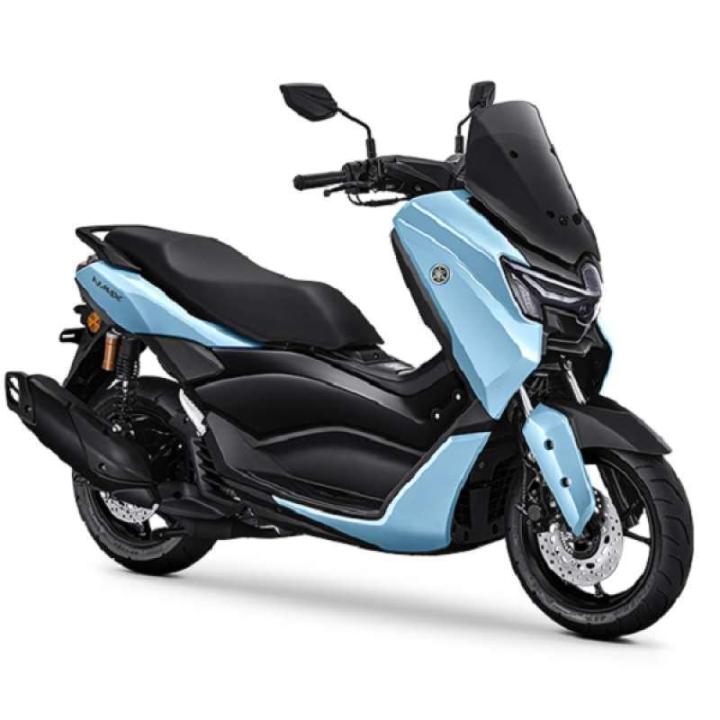
The 2027 Yamaha NMAX E has officially been unveiled at EICMA 2026, introducing a fully electric version of Yamaha's popular NMAX sport scooter. Powered by a 3.5 kWh lithium-ion battery and a compact electric eAxle drive unit, the NMAX E offers a manufacturer-rated range of up to 104 km (64.6 miles), 7.5 kW of peak power and a full charging time of approximately 5.5 hours. Designed as a 125cc-equivalent electric scooter, the Yamaha NMAX E combines familiar MAX-family styling with three riding modes, a five-inch TFT display, smartphone connectivity, traction control and a reverse function. How much will the Yamaha NMAX E cost? What is its real-world range, how long does it take to charge, and when will it be released in Europe, the UK and other markets? Here is everything currently known about the 2027 Yamaha NMAX E price, specifications, battery, horsepower, top speed, charging cost and release date, based on Yamaha's official EICMA 2026 announcement. Last updated: November 5, 2026. Yamaha has confirmed the NMAX E's main technical specifications and planned European launch period, but official prices and exact dealership delivery dates have not yet been announced. The NMAX E uses Yamaha's new electric scooter platform, combining a compact eAxle power unit with a centrally mounted fixed battery and belt final drive. Specifications are based on Yamaha's EICMA 2026 announcement and European product information. Some values may change before production or vary according to local market requirements. The announced 104 km range is a standardized test result, not a guaranteed real-world distance. The Yamaha NMAX E offers a manufacturer-rated riding range of up to 104 km (64.6 miles) on a fully charged 3.5 kWh battery. This figure is based on the WMTC Class 1 motorcycle testing cycle, measured under specified conditions including a battery temperature of approximately 25°C. For riders primarily commuting within urban areas, the NMAX E's range could be suitable for regular trips to work, university or local destinations. The following examples illustrate how the claimed 104 km range compares with different daily commuting distances. These examples are mathematical illustrations based on the full published WMTC range. They do not include an additional reserve and should not be treated as guaranteed commuting schedules. Actual range will depend on: Motorway-speed riding, frequent hard acceleration and cold weather may reduce the distance available from a single charge. Independent testing will be needed to determine realistic range across different urban and suburban riding scenarios. The NMAX E uses a newly developed 3.5 kWh lithium-ion battery mounted in the scooter's chassis. Yamaha has positioned the battery close to the vehicle's centre to achieve a lower centre of gravity and better mass centralization. The scooter uses a redesigned backbone frame developed specifically for its electric drivetrain. Unlike electric scooters with removable battery packs, the NMAX E's standard 3.5 kWh battery is fixed in place. This means the scooter itself needs to be parked at a suitable charging location. No. The Yamaha NMAX E has a fixed battery and does not use a removable battery system for everyday charging. Owners who live in apartment buildings or do not have convenient access to an electrical outlet should consider this before purchasing. The battery's placement also makes the availability of practical and secure charging facilities especially important. The Yamaha NMAX E takes approximately 5.5 hours to charge from 0% to 100% under Yamaha's specified conditions. The scooter comes with an onboard 800 W fanless charger, allowing battery charging without removing the battery from the motorcycle. According to Yamaha, the published full-charge duration is measured under specified electrical supply and battery temperature conditions. Actual charging time may vary because of electrical supply conditions, battery temperature and charging system behavior. Yes. The NMAX E supports charging at home using a suitable electrical outlet and the appropriate charging connection. Because the battery is fixed, the scooter needs to remain near the outlet during the charging process. Owners should use approved charging equipment and follow Yamaha's electrical safety guidance. Yes. Yamaha states that the NMAX E is compatible with supported public AC charging infrastructure, including Type 2 connections. However, the scooter does not charge at the same power level as a large electric car. Its 800 W onboard charger limits the power it can accept, regardless of how much power a public AC station can supply. Compatibility with particular charging stations and services should be checked before travel. The electricity cost of charging a Yamaha NMAX E depends on the local electricity tariff, energy losses during charging and whether charging takes place at home or at a public station. With a nominal 3.5 kWh battery, a simple theoretical calculation is: Battery capacity × electricity price per kWh = nominal battery energy cost. Consider a hypothetical household electricity price of £0.25 per kWh. Important: The £0.25/kWh rate is an illustrative assumption, not a verified current UK tariff. The calculation also excludes charging losses and potential station charges. Real charging bills may therefore be higher than the nominal energy calculation suggests. The NMAX E produces a maximum of 7.5 kW, equivalent to approximately 10.1 mechanical horsepower or 10.2 PS. Its nominal motor output is 6.7 kW, approximately 9.0 hp. The electric motor produces a maximum torque of 33.3 Nm (24.6 lb-ft) at 500 rpm. This torque delivery is one of the key characteristics of electric propulsion. Unlike petrol engines, which typically need to increase engine speed to generate their maximum torque, electric motors can provide strong torque from relatively low rotational speeds. Yamaha uses a new eAxle drive unit and belt transmission to deliver quiet, smooth acceleration. Electric vehicles may publish both nominal and maximum output figures. The nominal figure relates to a motor's rated continuous operating capability, while peak output refers to the maximum power available under the relevant operating conditions. These figures should not be confused when comparing electric scooters with combustion-engine motorcycles. The NMAX E does not have an engine displacement measured in cubic centimetres because it is fully electric. Yamaha markets it as a 125cc-equivalent electric scooter, corresponding to the European A1 category. This means the model is intended to compete with conventional 125cc urban scooters rather than larger-capacity touring motorcycles. Its actual motor power is expressed in kilowatts instead of cubic centimetres. Yamaha has not published a confirmed maximum speed figure in its initial EICMA 2026 announcement. The NMAX E's 7.5 kW peak output is confirmed, but horsepower alone is not enough to establish a precise top speed. Maximum speed may depend on electronic control settings, gearing, rider weight and environmental conditions. For now, exact NMAX E top-speed claims should be treated as unverified unless supported by official figures or independent testing. The Yamaha NMAX E offers three riding modes designed for different commuting conditions. The ability to select different riding modes gives owners additional flexibility when balancing acceleration and battery consumption. However, Yamaha has not published a complete set of independently verified range figures for every mode under all riding conditions. Yes. The NMAX E features an electric reverse-assistance function. The system is designed to make low-speed manoeuvring easier, particularly in tight parking spaces and on slopes. This is different from a conventional reverse gear intended for normal-speed riding. Its purpose is to provide controlled assistance while positioning or moving the scooter in confined spaces. The new NMAX E preserves many recognizable features of the existing petrol-powered NMAX. It includes compact dual-eye LED headlights, distinctive side bodywork and a sporty urban scooter silhouette. Yamaha has revised the internal chassis layout to accommodate the battery and new electric drivetrain. The manufacturer says this arrangement contributes to agile handling, stable steering and a low centre of gravity. The scooter has also been developed with everyday practicality in mind, including a spacious footboard and underseat storage. The NMAX E features a five-inch colour TFT instrument display with graphics designed specifically for electric mobility. Information includes the battery's remaining charge, riding data and other vehicle status details. Through the Yamaha Motor On smartphone application, riders can access supported connected services. Announced functions include: Actual app availability and features may depend on region, device compatibility and software support. The NMAX E is equipped with ABS and traction control to support the rider during acceleration and braking. Braking hardware includes a 245mm front disc and a 245mm rear disc. ABS helps reduce the risk of wheel lock-up during heavy braking. Traction control helps manage excessive rear-wheel slip by adjusting power delivery. These systems are useful rider aids, but they cannot eliminate the risk of losing traction on slippery surfaces. Yamaha states that the NMAX E has underseat storage capable of accommodating a full-face helmet. However, the manufacturer notes that some helmets may not fit because of their size or shape. Buyers should therefore check their own helmet before purchasing the scooter if underseat storage is a priority. The NMAX E also includes a broad footboard intended to provide a practical and comfortable riding position. The biggest distinction between the Yamaha NMAX E and the NMAX 125 is the powertrain. The NMAX E is fully electric and uses a fixed rechargeable battery. The petrol NMAX 125 uses a conventional internal-combustion engine and can be refuelled at petrol stations. The exact features of the petrol NMAX 125 depend on model year and market. For riders who have access to convenient home charging and travel relatively short distances, the electric NMAX E could be a practical alternative. Those who regularly cover longer distances may find the petrol model more convenient because it can be refuelled quickly. Final ownership comparisons will also depend on the NMAX E's retail price, battery warranty and electricity costs. Yamaha also unveiled the XENTER E electric scooter at EICMA 2026. Both models share the new eAxle drive concept and 3.5 kWh fixed battery. However, their wheel sizes, chassis designs and riding characteristics differ. The XENTER E offers four additional kilometres of manufacturer-rated range. Its larger 16-inch wheels may also appeal to riders travelling over uneven urban road surfaces. The NMAX E is designed to deliver a sportier MAX-family appearance and handling character. Neither scooter is automatically better. Riding position, wheel preference, charging needs and eventual pricing should guide the decision. Two colour options have been announced for the 2027 NMAX E: Colour availability may differ between countries. As of November 5, 2026, Yamaha has not announced an official retail price for the 2027 NMAX E. The company has confirmed the model's technical specifications and intended European launch period, but pricing remains pending. The final retail price will depend on the market, taxes, distribution costs and equipment. Yamaha has not published a confirmed UK on-the-road price for the NMAX E. Any specific pound-sterling amount quoted before an official regional announcement should be treated as an estimate. Official retail prices for Germany, France, Italy and other European countries have not yet been confirmed. Although the European launch is planned for spring 2027, prices may be announced separately for each country. Yamaha has not confirmed a US MSRP or official American dealership release for the NMAX E. The model is described as intended for global markets, but this does not guarantee distribution in every country. Yamaha has not announced an official India-market ex-showroom price or retail launch schedule for the NMAX E. Any price predictions should be distinguished from confirmed manufacturer information. The NMAX E was unveiled at EICMA 2026 in Milan, Italy. Yamaha plans to introduce the NMAX E in European markets from spring 2027. The company has also confirmed plans for a Japanese release during 2027. However, exact customer delivery dates will depend on each country's distribution schedule. The NMAX E is included in Yamaha's European launch programme for spring 2027, but an exact UK dealership arrival date has not been confirmed. Yamaha's Japanese announcement confirms that the NMAX E is planned for introduction in Japan during 2027. As of November 5, 2026, Yamaha has not confirmed an official US launch date. American riders should monitor Yamaha's regional product announcements for updates. The complete regional production specification sheet has not yet established universally confirmed weight and seat height figures for the NMAX E. These details are particularly important because the scooter's 3.5 kWh battery may affect overall weight compared with the petrol-powered NMAX. Yamaha has designed the chassis to concentrate the battery and motor mass near the vehicle's centre, which should help with handling. Nevertheless, a manufacturer's low-centre-of-gravity claim does not replace a practical assessment of the scooter's weight and ergonomics. Buyers should check final specifications and test the riding position before purchasing. Yamaha classifies the NMAX E as a 125cc-equivalent A1-category electric scooter for European markets. However, legal riding eligibility depends on the vehicle's approved classification and local licence rules. Electric motorcycle classifications can use continuous rated power and other regulatory measurements, which are not necessarily the same as peak motor output. In the UK, riders should check the applicable provisional licence, CBT and motorcycle entitlement requirements. In European countries with car-licence extensions for certain 125cc-equivalent motorcycles, eligibility varies by jurisdiction. Buyers should confirm the exact legal category of the registered vehicle before riding. The NMAX E could be a practical option for riders seeking an electric scooter primarily for urban commuting. Its strongest announced features include: However, the model also presents important considerations. A fixed battery requires reliable charging access, and its 104 km certified range may be insufficient for riders who regularly travel long distances. Price, battery warranty, battery replacement costs, servicing and real-world range will be important when evaluating total ownership costs. The 2027 Yamaha NMAX E represents a significant step in the electrification of Yamaha's popular MAX scooter range. Rather than launching an unfamiliar design, Yamaha has combined the established NMAX identity with a newly developed electric powertrain and battery-focused chassis. The 104 km certified range and 5.5-hour charging time suggest that the model is most suitable for daily city travel rather than extended touring. SBK Motorcycle assessment: The NMAX E looks promising for commuters who can charge at home or at work and want a premium electric alternative to a conventional 125cc scooter. Its eventual value will depend on regional retail prices, charging practicality and battery support. This article will be updated as Yamaha confirms additional market launches, pricing and final production specifications. Explore other motorcycles and scooters through SBK Motorcycle Comparisons. Find answers to the most searched questions about the 2027 Yamaha NMAX E, including its price, range, charging time, battery, horsepower, top speed, release date and differences from the petrol NMAX. The Yamaha NMAX E has a manufacturer-rated range of 104 km (approximately 64.6 miles) on a full charge, measured using the WMTC Class 1 testing cycle. As of November 5, 2026, Yamaha has not announced an official retail price for the NMAX E. European availability is planned from spring 2027. No official UK price has been confirmed. Yamaha is expected to announce market-specific pricing closer to the local launch. Yamaha has not announced a US MSRP or confirmed an American retail launch for the NMAX E. The NMAX E was unveiled at EICMA 2026 and is scheduled for European introduction from spring 2027. Yamaha also plans a Japanese release during 2027. US availability remains unconfirmed. Yamaha has described the NMAX E as a global-market model, but has not announced an American launch date. Yamaha quotes approximately 5.5 hours for a full 0–100% charge under specified electrical supply and battery temperature conditions. The NMAX E has a fixed 3.5 kWh lithium-ion battery located near the centre of its redesigned chassis. The Yamaha NMAX E produces a maximum output of 7.5 kW, equivalent to approximately 10.1 mechanical horsepower or 10.2 PS. Its nominal output is 6.7 kW. The NMAX E's electric motor produces 33.3 Nm (approximately 24.6 lb-ft) of maximum torque at 500 rpm. The NMAX E is fully electric, so it does not have an engine displacement in cc. Yamaha classifies it as a 125cc-equivalent A1-category electric scooter. Yamaha has not published a confirmed top-speed figure in its initial EICMA 2026 technical announcement. Yes. The NMAX E supports home charging using suitable electrical connections and Yamaha-approved charging equipment. Yes. Yamaha states that the NMAX E supports compatible AC Type 2 public charging infrastructure. Its onboard charger is rated at 800 W. No. The NMAX E uses a fixed lithium-ion battery, so the scooter must be parked near an appropriate charging point. Charging cost depends on your electricity tariff and charging losses. As a simple example, 3.5 kWh at £0.25 per kWh represents approximately £0.88 of nominal battery energy, before losses and other fees. Yes. The NMAX E includes low-speed electric reverse assistance to make parking and manoeuvring easier. The Yamaha NMAX E has three selectable power modes: Sport (S), Touring (T) and Eco (E). Yes. The NMAX E is equipped with ABS and traction control to support braking and acceleration management. Yes. The NMAX E features a five-inch colour TFT display and supports connected features through the Yamaha Motor On smartphone app. Yamaha says the NMAX E's underseat storage can accommodate a full-face helmet, although some helmets may not fit depending on size and shape. The NMAX E is fully electric, using a fixed 3.5 kWh battery and offering 104 km of certified range. The NMAX 125 uses a petrol engine and can be refuelled at conventional petrol stations. The XENTER E has a manufacturer-rated WMTC range of 108 km, compared with 104 km for the NMAX E. Both use 3.5 kWh batteries. Yamaha has announced Avio Blue and Platinum Silver as the NMAX E's two launch colours. Regional availability may vary. The NMAX E is marketed as a European A1-category, 125cc-equivalent electric scooter. Actual licence requirements depend on the country's regulations and the vehicle's registered classification. No matching questions found. Try a different keyword. Last updated November 5, 2026. Claimed range and charging values depend on test conditions. Pricing and international launch dates remain subject to manufacturer announcements. Published: November 5, 2026. Specifications and appearance may change before final production. Quoted range and charging figures are manufacturer measurements under specified conditions. Price, warranty details and availability may differ between countries.2027 Yamaha NMAX E Specifications at a Glance
Specification 2027 Yamaha NMAX E Motorcycle category Electric sport scooter Model year 2027 Unveiled EICMA 2026, Milan Vehicle category 125cc-equivalent / European A1 class Powertrain Electric eAxle drive unit Electric motor Three-phase permanent magnet motor Nominal power 6.7 kW / approximately 9.0 hp Maximum power 7.5 kW / approximately 10.1 hp Peak power RPM 3,500 rpm Maximum torque 33.3 Nm / 24.6 lb-ft Peak torque RPM 500 rpm Battery type Fixed lithium-ion Battery capacity 3.5 kWh Battery voltage 50.4 V Battery capacity 70.2 Ah Official riding range 104 km / approximately 64.6 miles Range measurement WMTC Class 1 Charging time (0–100%) Approximately 5.5 hours Onboard charger 800 W Home charging Supported Public charging Compatible AC Type 2 charging Removable battery No Final drive Belt Riding modes Sport, Touring, Eco Traction control Yes ABS Yes Reverse assistance Yes Instrument display 5-inch colour TFT Smartphone connectivity Yamaha Motor On Navigation Turn-by-turn Front wheel 13 inches Rear wheel 13 inches Front tyre 110/70-13 Rear tyre 130/70-13 Front brake 245 mm disc Rear brake 245 mm disc Colours Avio Blue / Platinum Silver Top speed Not officially confirmed UK price Not announced US MSRP Not announced European release Spring 2027 planned Japanese release 2027 planned Yamaha NMAX E Range: How Far Can It Travel on One Charge?
How Many Days Can the Yamaha NMAX E Last Between Charges?
Daily Riding Distance Theoretical Usage Before Recharging 10 km / 6.2 miles Approximately 10 days 20 km / 12.4 miles Approximately 5 days 30 km / 18.6 miles Approximately 3 days 40 km / 24.9 miles Approximately 2.5 days 50 km / 31.1 miles Approximately 2 days What Is the Real-World Range of the NMAX E?
Yamaha NMAX E Battery: 3.5 kWh Lithium-Ion Pack
Can You Remove the Yamaha NMAX E Battery?
Yamaha NMAX E Charging Time: How Long Does It Take?
Can You Charge the Yamaha NMAX E at Home?
Can the Yamaha NMAX E Use Public EV Charging Stations?
How Much Does It Cost to Charge the Yamaha NMAX E?
Example: Yamaha NMAX E Charging Cost in the UK
Example Calculation Result Battery capacity 3.5 kWh Example electricity rate £0.25/kWh Nominal battery energy cost £0.88 Official WMTC range 104 km / 64.6 miles Theoretical cost per 100 km Approximately £0.84 Theoretical cost per mile Approximately £0.014 Yamaha NMAX E Horsepower: How Powerful Is the Electric Motor?
Why Are There Two Power Figures?
Is the Yamaha NMAX E a 125cc Scooter?
Yamaha NMAX E Top Speed: How Fast Can It Go?
Three Riding Modes: Sport, Touring and Eco
Does the Yamaha NMAX E Have Reverse Gear?
Yamaha NMAX E Design: The Familiar MAX Family Goes Electric
Five-Inch TFT Display and Yamaha Motor On App
Yamaha NMAX E ABS, Traction Control and Brakes
Yamaha NMAX E Storage: Can It Fit a Full-Face Helmet?
Yamaha NMAX E vs Petrol NMAX 125: What Is Different?
Feature Yamaha NMAX 125 Yamaha NMAX E Powertrain 125cc petrol engine Electric motor Energy source Petrol Electricity Battery Starter battery 3.5 kWh traction battery Refuelling Petrol station Electrical charging Charging time Not applicable Approximately 5.5 hours Official EV range Not applicable 104 km WMTC Riding modes Model-dependent Three Reverse assistance Not standard Yes Tailpipe emissions Present Zero while riding Primary advantage Fast refuelling Electric urban commuting Yamaha NMAX E vs XENTER E: Which Electric Scooter Is Better?
Specification Yamaha NMAX E Yamaha XENTER E Powertrain Electric eAxle Electric eAxle Battery 3.5 kWh 3.5 kWh Official WMTC range 104 km 108 km Front wheel 13 inches 16 inches Rear wheel 13 inches 16 inches Riding modes Three Three TFT display 5 inches 5 inches Reverse assistance Yes Yes Design emphasis Sport scooter High-wheel city scooter Yamaha NMAX E Colours: Avio Blue and Platinum Silver
2027 Yamaha NMAX E Price: How Much Will It Cost?
Yamaha NMAX E UK Price
Yamaha NMAX E Europe Price
Yamaha NMAX E USA Price
Yamaha NMAX E India Price
Yamaha NMAX E Release Date: When Is It Coming Out?
When Will the NMAX E Arrive in the UK?
When Will the NMAX E Launch in Japan?
Will the NMAX E Be Released in the United States?
Yamaha NMAX E Weight and Seat Height
What Licence Do You Need for the Yamaha NMAX E?
Is the Yamaha NMAX E Worth Buying?
SBK Motorcycle Verdict: An Electric Future for the NMAX
Yamaha NMAX E: Frequently Asked Questions
01What is the range of the Yamaha NMAX E?
02How much does the Yamaha NMAX E cost?
03What is the Yamaha NMAX E UK price?
04What is the Yamaha NMAX E USA price?
05When will the Yamaha NMAX E be released?
06Will the Yamaha NMAX E be available in the USA?
07How long does the Yamaha NMAX E take to charge?
08What is the battery capacity of the Yamaha NMAX E?
09How much horsepower does the Yamaha NMAX E produce?
10How much torque does the Yamaha NMAX E have?
11Is the Yamaha NMAX E a 125cc scooter?
12What is the top speed of the Yamaha NMAX E?
13Can the Yamaha NMAX E be charged at home?
14Can the Yamaha NMAX E use public charging stations?
15Is the Yamaha NMAX E battery removable?
16How much does it cost to charge the Yamaha NMAX E?
17Does the Yamaha NMAX E have reverse gear?
18How many riding modes does the Yamaha NMAX E have?
19Does the Yamaha NMAX E have ABS and traction control?
20Does the Yamaha NMAX E have a TFT display?
21Can you fit a full-face helmet under the Yamaha NMAX E seat?
22What is the difference between the Yamaha NMAX E and NMAX 125?
23Yamaha NMAX E vs XENTER E: Which has more range?
24What colours are available for the Yamaha NMAX E?
25What licence do you need to ride the Yamaha NMAX E?
Official Sources and Further Reading
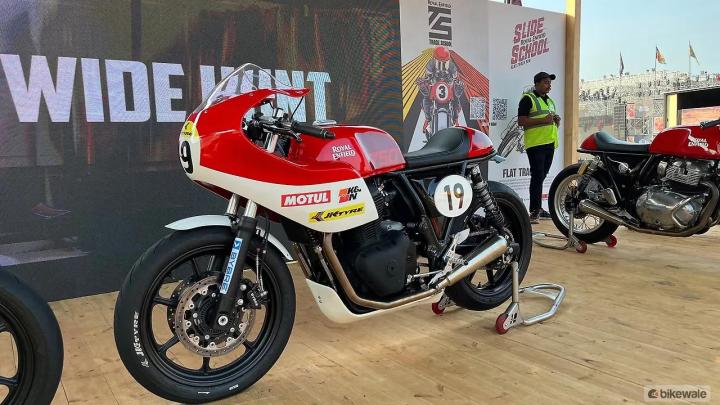
The Royal Enfield Continental GT 750 has officially been unveiled at EICMA 2026, introducing a new 743cc parallel-twin engine, updated café racer styling and a choice of faired and unfaired versions. Revealed in Milan on November 3, 2026, the new motorcycle is set to become Royal Enfield's highest-performance production model to date. Building on the popularity of the Continental GT 650, the new GT 750 combines classic British-inspired motorcycle design with a larger engine and revised mechanical components. Among its most distinctive features are a hybrid twin-pod TFT instrument cluster, twin exhaust outlets, dual front brake discs and a choice of retro-racing bodywork. But how much will the Royal Enfield Continental GT 750 cost, how much horsepower will it produce, what is its top speed, and when will it be released in the UK, USA and India? Here is everything currently known about the 2027 Continental GT 750, including confirmed technical information, differences from the Continental GT 650, market availability and details that Royal Enfield has yet to announce. Updated November 4, 2026: Royal Enfield has confirmed the engine displacement, model variants and selected design features. Final horsepower, torque, pricing, production specifications and international release dates remain unconfirmed. The Continental GT 750 is powered by an upgraded version of the 743cc parallel-twin engine introduced with the new Himalayan 750 adventure motorcycle. However, Royal Enfield has not yet published a complete production specification sheet for the café racer. Some chassis and equipment details are based on motorcycles displayed at EICMA 2026 rather than a finalized production specification sheet. Equipment may change before retail launch. The Royal Enfield Continental GT 750 uses a 743cc parallel-twin engine developed from the new powertrain introduced with the Himalayan 750. Royal Enfield describes the café racer's engine as an upgraded, higher-performance version of the same basic platform. This is an important development because the Continental GT 650 has long relied on the company's 648cc parallel-twin engine. Increasing displacement to 743cc gives the new motorcycle an additional 95cc of engine capacity. However, the larger engine is not the entire story. The Continental GT 750 has been developed with a more performance-oriented character than the adventure-focused Himalayan 750. Reports from the EICMA display indicate that the GT uses a different throttle arrangement and twin exhaust outlets, suggesting that Royal Enfield has made changes to its engine configuration and overall riding experience. The final details of the engine's internal components, fuel injection calibration and transmission gearing have not yet been fully published. Royal Enfield has not announced the official horsepower or torque figures for the Continental GT 750. The manufacturer has confirmed that the new café racer will become its highest-performance production motorcycle to date. For comparison, the Himalayan 750 uses the same 743cc engine family and produces 55 PS (approximately 54.2 hp) and 63 Nm of torque. Nevertheless, these figures should not be copied directly to the Continental GT 750. Royal Enfield has explicitly described the GT's engine as an uprated version, indicating that the motorcycles may have different performance characteristics. Until a production specification sheet is released, exact claims about the GT 750's horsepower and torque remain speculative. One of the most frequently asked questions about the Continental GT 750 concerns its maximum speed. As of November 4, 2026, Royal Enfield has not published an official top speed for the Continental GT 750. The motorcycle's larger engine and sporty riding position suggest that it has been developed with performance in mind. However, maximum speed cannot be reliably calculated from engine displacement alone. The final engine output, transmission gearing, aerodynamics, motorcycle weight and rider position will all influence performance. The faired version may also behave differently at higher speeds because of its additional front bodywork. Independent performance tests will be needed to establish reliable top-speed and acceleration figures. Royal Enfield introduced two distinct configurations of the Continental GT 750 at EICMA 2026. The choice between faired and unfaired designs is one of the motorcycle's most significant features. The unfaired version preserves the familiar Continental GT silhouette. Its styling emphasizes the motorcycle's exposed engine, elongated fuel tank, round headlight and traditional café racer proportions. The unfaired motorcycle is intended to maintain a closer connection with the GT series' classic roadster identity. Compared with the faired version, its riding position appears less aggressive, potentially making it a more comfortable choice for everyday riding. However, a full ergonomic comparison will require production motorcycles and real-world testing. The faired model receives additional front bodywork inspired by classic racing motorcycles. Royal Enfield has confirmed that the faired version features lower handlebars, encouraging a more forward-leaning and focused riding position. Its quarter fairing gives the motorcycle a distinctive retro-racing appearance. The additional bodywork may provide some wind protection, although the exact benefits have not yet been tested independently. The unfaired model may appeal to riders who prioritize traditional café racer styling and a potentially less demanding riding position. The faired version is likely to attract riders looking for a more committed retro-sport design. The final choice will depend on price, ergonomics, equipment and personal preference. The Royal Enfield Continental GT family draws inspiration from the café racer culture of the 1960s. During that period, riders customized motorcycles with lower handlebars, lightweight bodywork and racing-inspired details. The Continental GT 750 continues this visual tradition while incorporating a new engine platform and revised mechanical hardware. Its distinctive design elements include a long fuel tank, round headlight, twin exhaust outlets and compact rear bodywork. The faired models combine chrome detailing with a small front fairing, reinforcing their classic racing appearance. Royal Enfield's decision to offer two body styles also allows buyers to choose between a more traditional appearance and a sportier interpretation of the café racer formula. The Continental GT 750 features a new hybrid twin-pod TFT instrument cluster. Unlike motorcycles that rely on a single large rectangular display, the GT 750 retains the visual identity of traditional twin-dial instruments. The system combines analogue-style presentation with integrated digital information. This approach reflects Royal Enfield's stated intention to preserve a relatively analogue riding experience rather than adding unnecessary electronic complexity. The manufacturer has not yet confirmed every display function, including the complete availability of navigation, smartphone integration or customizable screens. Those features should not be assumed until the final production specification is released. Photographs and motorcycles displayed at EICMA reveal several changes compared with the Continental GT 650. Most notably, the Continental GT 750 has been shown with dual front brake discs. The existing Continental GT 650 uses a single front disc, so this represents a substantial change to the visible braking hardware. The GT 750 also retains traditional telescopic front suspension and twin rear shock absorbers in the displayed configurations. Motorcycle publications examining the EICMA display have reported adjustable suspension components, but Royal Enfield has not yet published a complete production suspension specification. The new motorcycle has been displayed with 18-inch wheels. Spoked wheels are associated with the traditional café racer configurations, while the TT Blue version has been shown with alloy wheels and tubeless tyres. The exact availability of wheel and tyre options will depend on the final production lineup and market. Royal Enfield showcased three Continental GT 750 colour schemes at EICMA 2026: These are the colour configurations presented at the exhibition, not necessarily a complete final retail colour list. Additional combinations may become available when Royal Enfield confirms market-specific specifications. For existing Continental GT owners, the biggest question is how much the new 750 improves on the established 650. The most obvious difference is the larger engine. The Continental GT 650 uses a 648cc parallel-twin engine producing approximately 47.4 PS (34.9 kW) and 52.3 Nm of torque in its current specification. The new GT 750 moves to a 743cc engine, with Royal Enfield promising a higher-performance character. The GT 650 figures are based on Royal Enfield's published specifications and may differ by model year or country. Although the GT 750 appears to bring important upgrades, its eventual performance advantage cannot be measured precisely until the manufacturer confirms final output and weight figures. The Continental GT 750 and Himalayan 750 share the new Royal Enfield 743cc parallel-twin engine platform. However, they are designed for very different types of riding. The Himalayan 750 is an adventure touring motorcycle designed for long journeys, mixed road conditions and practical versatility. It produces 55 PS and 63 Nm, with a strong focus on accessible midrange torque. The Continental GT 750 has been developed as a more performance-focused café racer. Its lower riding position in faired form, different bodywork and uprated engine configuration distinguish it from the adventure model. The two motorcycles should therefore not be expected to have identical performance figures despite sharing the same basic engine architecture. As of November 4, 2026, Royal Enfield has not announced an official retail price for the Continental GT 750. This applies to the United Kingdom, United States, India and other international markets. Its final price will likely depend on factors such as production configuration, regional taxes and local distribution arrangements. Because the motorcycle is being positioned above the Continental GT 650, its retail placement will be an important part of the buying decision. However, it would be misleading to state a specific price without an official announcement. No official UK price has been confirmed for the Continental GT 750. Royal Enfield has announced British prices for the Himalayan 750, but those prices do not apply to the Continental GT 750. UK buyers should wait for the manufacturer's official price list and dealership launch information. Royal Enfield has not announced a US MSRP for the Continental GT 750. Its official American availability and dealership schedule have not yet been confirmed. Royal Enfield has not published a confirmed India-market ex-showroom price for the GT 750. Some publications have discussed estimated pricing, but those figures are not official manufacturer announcements. Official prices for individual European markets, including Germany, France, Italy and Spain, have not yet been released. Local taxes and homologation requirements may affect the final retail price. The Continental GT 750 was officially unveiled on November 3, 2026, at the EICMA motorcycle exhibition in Milan. However, its public unveiling should not be confused with the beginning of customer deliveries. Royal Enfield has not confirmed a global dealership release date for the Continental GT 750. Some motorcycle publications expect sales to begin during 2027, but an exact production and delivery schedule has not been officially announced. Indian motorcycle media expects the model to reach the domestic market during 2027. However, Royal Enfield has not confirmed the exact launch date or booking schedule in its EICMA announcement. The UK launch date remains unconfirmed. Royal Enfield's UK operation has published information about the motorcycle's unveiling, but has not provided a confirmed retail delivery schedule. Royal Enfield has not yet confirmed a specific US release date or MSRP for the Continental GT 750. American customers should monitor official regional announcements for details. Royal Enfield has not released finalized kerb weight or seat height figures for the Continental GT 750. The existing Continental GT 650 has a published kerb weight of approximately 214kg and a seat height of 804mm in its current specification. However, these values cannot be applied directly to the GT 750. The larger engine, revised braking system and different fairing configurations may affect the new motorcycle's weight and ergonomics. Exact comparisons will require final production data. No official fuel consumption figures have been published for the Continental GT 750. It is therefore too early to quote a reliable miles-per-gallon (mpg) figure or riding range. Even though the GT 750 shares an engine platform with the Himalayan 750, its final tuning, gearing and riding position may produce different results. Fuel economy will also be affected by speed, traffic, riding style and environmental conditions. Independent tests and homologation figures will be needed to establish accurate consumption. A2 licence eligibility has not yet been confirmed for the Continental GT 750. In European markets, the A2 category generally permits motorcycles with a maximum output of 35 kW and a maximum power-to-weight ratio of 0.2 kW/kg, subject to other applicable rules. Because the GT 750's final horsepower and approved variants are not yet known, it is not possible to confirm whether an A2-compatible version will be offered. Riders should check official homologation information before making licensing assumptions. The Continental GT 750 occupies an interesting position in the retro motorcycle market. Its classic café racer appearance, twin-cylinder engine and sporty riding character could make it relevant to buyers considering: These motorcycles are not identical in engine displacement, performance or purpose. Once the Continental GT 750's price and finalized specifications are released, its closest direct competitors will become clearer. Compare existing motorcycles through SBK Motorcycle Comparisons. The Continental GT 750 looks promising for riders who enjoy classic motorcycle design but want more performance than the existing GT 650 offers. Its key attractions include: However, several essential buying considerations remain unanswered. These include horsepower, torque, fuel economy, motorcycle weight, official pricing, warranty arrangements and dealership availability. The motorcycle should therefore be evaluated as a promising upcoming model rather than an established production alternative. The Continental GT 750 represents a significant development for Royal Enfield's performance-oriented retro motorcycle range. Its larger engine and revised styling preserve the identity that made the Continental GT 650 popular while moving the concept into a new displacement category. The introduction of a faired version is particularly interesting because it offers a more visibly racing-inspired interpretation of Royal Enfield's café racer heritage. The hybrid twin-pod TFT display also illustrates the company's attempt to introduce modern technology without abandoning its traditionally mechanical riding character. SBK Motorcycle assessment: The Continental GT 750 could become one of the more distinctive modern café racers in its segment, provided its final price, performance and production quality meet expectations. For now, Royal Enfield has revealed enough to establish the motorcycle's direction, but not enough to make a definitive purchasing recommendation. This article will be updated as official horsepower, torque, pricing and release information become available. Find answers to the most common questions about the new Royal Enfield Continental GT 750, including its price, horsepower, top speed, release date, engine, specifications and differences from the Continental GT 650. The Continental GT 750 features a 743cc parallel-twin engine developed from the new Royal Enfield 750 engine platform. Royal Enfield has not announced the final horsepower figure for the Continental GT 750. The company says it will become its highest-performance production motorcycle to date. The Continental GT 750's official maximum torque has not yet been announced. It uses an uprated version of the 743cc engine found in the Himalayan 750. As of November 4, 2026, Royal Enfield has not announced an official retail price for the Continental GT 750. No official UK retail price has been confirmed for the Continental GT 750. Pricing will depend on the final launch configuration and regional market announcement. Royal Enfield has not announced a US MSRP for the Continental GT 750. Its American retail availability has not yet been confirmed. An official Indian ex-showroom price has not been announced. Any published estimates should not be mistaken for confirmed Royal Enfield pricing. The motorcycle was unveiled on November 3, 2026, at EICMA. A final production launch date and international dealership delivery schedule have not been confirmed. Some Indian motorcycle publications expect a 2027 launch, but Royal Enfield has not officially confirmed the date in its EICMA announcement. Yes. Royal Enfield officially presented the Continental GT 750 at EICMA in Milan, Italy, on November 3, 2026. The Continental GT 750 was unveiled in November 2026 and is widely discussed as an upcoming 2027 model. Its final market-specific model-year designation has not yet been confirmed. Royal Enfield has not published an official top-speed figure for the Continental GT 750. Independent testing will be needed to confirm its maximum speed. An official 0–60 mph acceleration time has not yet been announced for the Continental GT 750. The Continental GT 750 has a parallel-twin engine with two cylinders and a total displacement of 743cc. Yes. Both motorcycles share Royal Enfield's new 743cc parallel-twin engine platform, although the Continental GT 750 uses an uprated performance-oriented version. Yes. Royal Enfield has confirmed both faired and unfaired Continental GT 750 versions. The faired model features additional front bodywork and lower handlebars. The faired version has retro-racing front bodywork and a lower handlebar position. The unfaired version retains the more traditional café racer silhouette. Yes. The Continental GT 750 features a hybrid twin-pod TFT instrument cluster combining a traditional two-dial appearance with digital information. Royal Enfield has not confirmed the final kerb weight of the Continental GT 750. The current Continental GT 650 weighs approximately 214kg in its published specification. The official Continental GT 750 seat height has not been announced. The existing GT 650 has a published seat height of 804mm, but the new model may differ. Royal Enfield has not yet released official fuel economy or mileage figures for the Continental GT 750. The GT 750 has a larger 743cc engine compared with the GT 650's 648cc unit. It also introduces faired and unfaired variants, a new hybrid display and dual front discs shown on the EICMA motorcycles. Royal Enfield says the Continental GT 750 will be its highest-performance production motorcycle. However, its final horsepower and torque figures have not been published. A2 eligibility cannot yet be confirmed because final horsepower and approved market variants have not been announced. Riders should check local homologation information before purchasing. The Continental GT 750 was showcased at EICMA 2026 in Red Line, TT Blue and Master Clean. Final retail colours may vary by market. No matching questions found. Try another keyword. Published: November 4, 2026. The Continental GT 750 was presented at EICMA 2026. Power, torque, price, weight and market release information have not yet been finalized publicly. Details of displayed motorcycles may differ from final production versions.2027 Royal Enfield Continental GT 750 Specifications
Specification Royal Enfield Continental GT 750 Motorcycle category Café Racer / Retro Sport Unveiled November 3, 2026 Event EICMA 2026, Milan Expected model year 2027, pending market confirmation Engine displacement 743cc Engine configuration Parallel-twin Engine platform Shared with Himalayan 750, uprated for GT Cooling Air/oil-cooled engine platform Maximum horsepower Not officially announced Maximum torque Not officially announced Transmission Final specifications pending Throttle Conventional cable-operated setup observed Available body styles Faired and unfaired Instrument cluster Hybrid twin-pod TFT Front brakes Dual-disc setup shown Front suspension Telescopic fork shown Rear suspension Twin shock absorbers shown Wheels 18-inch wheels shown Wheel types Spoked and alloy configurations shown Exhaust Twin exhaust pipes Colours shown Red Line, TT Blue, Master Clean Seat height Not officially announced Kerb weight Not officially announced Fuel consumption Not officially announced Maximum speed Not officially announced 0–60 mph acceleration Not officially announced UK price Not announced US MSRP Not announced India price Not announced Release date Not officially confirmed Royal Enfield Continental GT 750 Engine: A New 743cc Parallel-Twin
How Much Horsepower Does the Continental GT 750 Have?
Royal Enfield Continental GT 750 Top Speed
Continental GT 750 Performance: What Is Confirmed?
Performance Measurement Current Status Engine displacement 743cc confirmed Engine configuration Parallel-twin confirmed Horsepower Not announced Torque Not announced Top speed (mph) Not announced Top speed (km/h) Not announced 0–60 mph Not announced 0–100 km/h Not announced Continental GT 750 Faired vs Unfaired: What Is the Difference?
Continental GT 750 Unfaired Version
Continental GT 750 Faired Version
Which Continental GT 750 Version Should You Choose?
Continental GT 750 Design: Classic Café Racer Meets Modern Engineering
Continental GT 750 TFT Display: Modern Technology, Classic Appearance
Continental GT 750 Brakes, Suspension and Wheels
Royal Enfield Continental GT 750 Colours and Variants
Royal Enfield Continental GT 750 vs GT 650
Continental GT 750 vs Continental GT 650 Specifications
Specification Continental GT 650 Continental GT 750 Engine displacement 648cc 743cc Engine configuration Parallel-twin Parallel-twin Maximum power 47.4 PS Not announced Maximum torque 52.3 Nm Not announced Front brakes Single 320mm disc Dual discs shown Display Traditional twin instruments Hybrid twin-pod TFT Body styles Traditional café racer Faired and unfaired Seat height 804mm / 31.7 inches Not announced Kerb weight 214kg / 472 lb Not announced Fuel tank 12.5 litres Final production figure unconfirmed Retail availability Available in multiple markets Launch details pending Continental GT 750 vs Himalayan 750: Same Engine, Different Purpose
2027 Royal Enfield Continental GT 750 Price
Continental GT 750 UK Price
Continental GT 750 USA Price
Continental GT 750 India Price
Continental GT 750 European Price
Royal Enfield Continental GT 750 Release Date
When Will the Continental GT 750 Launch in India?
When Will the Continental GT 750 Arrive in the UK?
Will the Continental GT 750 Be Available in the USA?
Continental GT 750 Weight and Seat Height
Continental GT 750 Fuel Economy and Mileage
Is the Royal Enfield Continental GT 750 A2 Licence Compatible?
Which Motorcycles Will Compete With the Continental GT 750?
Is the Continental GT 750 Worth Waiting For?
SBK Motorcycle Verdict: Why the Continental GT 750 Matters
Royal Enfield Continental GT 750: Frequently Asked Questions
01 What is the engine size of the Royal Enfield Continental GT 750?
02 How much horsepower does the Continental GT 750 produce?
03 How much torque does the Continental GT 750 have?
04 How much does the Royal Enfield Continental GT 750 cost?
05 What is the Continental GT 750 UK price?
06 What is the Continental GT 750 USA price?
07 What is the Continental GT 750 price in India?
08 When will the Royal Enfield Continental GT 750 be released?
09 Will the Continental GT 750 launch in India in 2027?
10 Was the Continental GT 750 unveiled at EICMA 2026?
11 Is the Continental GT 750 a 2027 motorcycle?
12 What is the top speed of the Continental GT 750?
13 How fast is the Continental GT 750 from 0 to 60 mph?
14 How many cylinders does the Continental GT 750 have?
15 Does the Continental GT 750 share its engine with the Himalayan 750?
16 Is there a faired version of the Continental GT 750?
17 What is the difference between the faired and unfaired Continental GT 750?
18 Does the Continental GT 750 have a TFT display?
19 How much does the Continental GT 750 weigh?
20 What is the seat height of the Continental GT 750?
21 What is the fuel economy of the Continental GT 750?
22 What is the difference between the Continental GT 750 and GT 650?
23 Is the Continental GT 750 more powerful than the GT 650?
24 Is the Continental GT 750 A2 licence compatible?
25 What colours does the Continental GT 750 come in?
Official Sources and Further Reading
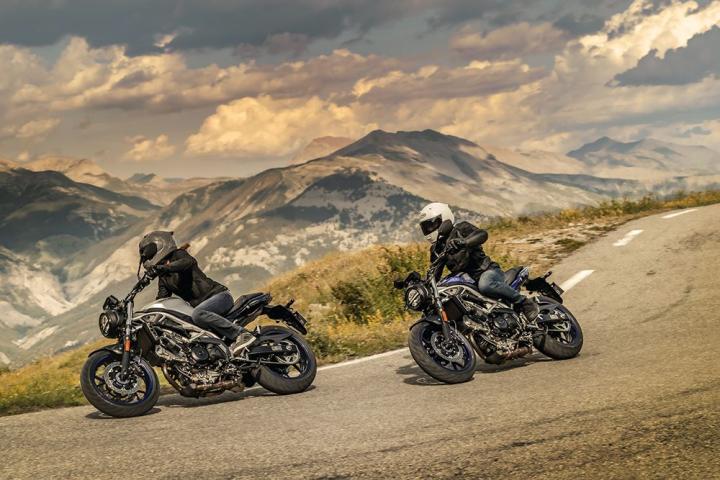
The 2027 Suzuki SV-7S has officially been unveiled at EICMA 2026, bringing the legendary SV650's 645cc V-twin engine into a new generation with modern electronics, updated styling and improved rider assistance. The new middleweight naked motorcycle produces 54 kW (approximately 73 PS), delivers 64 Nm of torque and features a standard bidirectional quickshifter, three riding modes, traction control and a 4.2-inch colour TFT display. Introduced in Milan on November 3, 2026, the Suzuki SV-7S continues a motorcycle legacy that began with the original SV650 in 1999. Rather than replacing its famous V-twin engine with a completely different configuration, Suzuki has retained the core formula while developing the technology surrounding it. How much will the Suzuki SV-7S cost? What is its top speed, how much horsepower does it produce, and when will it arrive in dealerships? This guide covers the confirmed 2027 Suzuki SV-7S specifications, fuel economy, UK and US availability, price status and differences compared with the outgoing SV650. Updated November 4, 2026: Suzuki has confirmed that international sales will begin progressively from spring 2027. Official retail prices and final delivery dates for individual countries have not yet been announced. The new SV-7S combines Suzuki's established 90-degree V-twin engine with a six-speed transmission, ride-by-wire electronic throttle and the Suzuki Intelligent Ride System (S.I.R.S.). Below are the official European-market specifications released by Suzuki. Specifications shown are Suzuki's official European-market figures. Horsepower, fuel economy and imperial measurements are converted from the manufacturer's metric specifications. Equipment may differ between markets. The 2027 Suzuki SV-7S produces 54 kW, equivalent to approximately 73 PS or 72.4 mechanical horsepower, at 8,500 rpm. Its 645cc liquid-cooled V-twin develops 64 Nm (47.2 lb-ft) of maximum torque at 6,800 rpm. The new model retains Suzuki's well-established 90-degree V-twin configuration, which has been a defining characteristic of the SV series for more than 25 years. Instead of adopting the parallel-twin layout used by several modern middleweight motorcycles, Suzuki has chosen to maintain the SV's distinctive engine character. The new version receives revised engine management, electronic throttle control, updated intake components and emissions-related improvements. The result is a motorcycle designed to combine familiar V-twin power delivery with modern electronic assistance. The SV650 became popular partly because its engine offered smooth, accessible performance and a distinctive mechanical feel. Retaining that architecture gives the SV-7S a clear identity in a segment increasingly dominated by parallel-twin motorcycles. However, engine layout alone does not determine overall performance. Chassis geometry, gearing, weight, throttle calibration and suspension quality remain important factors. Suzuki has not officially published a top speed for the 2027 SV-7S. Although the motorcycle's maximum output of approximately 72.4 hp is confirmed, an accurate top-speed figure cannot be calculated from horsepower alone. Maximum speed depends on gearing, aerodynamics, rider position, road conditions and other variables. Likewise, Suzuki has not published an official 0–60 mph or 0–100 km/h acceleration time. Independent road tests will provide a more reliable picture of the SV-7S's acceleration, roll-on performance and maximum speed once production motorcycles become available. As of November 4, 2026, Suzuki has not announced official retail pricing for the SV-7S in the United States, United Kingdom or European markets. The manufacturer has confirmed that sales will begin progressively in different countries from spring 2027, but prices are expected to be announced separately by regional distributors. The 2027 Suzuki SV-7S is already listed on Suzuki's official US motorcycle website. However, its price is marked TBA (To Be Announced), so there is currently no confirmed American MSRP. Buyers can review the motorcycle on the official Suzuki USA SV-7S product page. An official UK retail price has not yet been announced. The motorcycle's position in Suzuki's middleweight roadster range suggests that price will be an important factor in determining how it competes with other naked motorcycles. However, any exact UK price quoted before an official announcement should be treated as an estimate. Pricing for Germany, France, Italy and other European markets has not been finalized publicly. Suzuki Germany has confirmed that local prices and availability will be announced at a later date. Different taxes, market equipment and distributor arrangements may lead to price variations between countries. The Suzuki SV-7S was officially unveiled on November 3, 2026, at the EICMA motorcycle exhibition in Milan, Italy. Suzuki has confirmed that sales will begin progressively in international markets from spring 2027. That does not guarantee a simultaneous launch in every country. The 2027 model appears on Suzuki's official US website, but an exact American dealership delivery date and MSRP have not yet been confirmed. The global launch programme begins in spring 2027. A specific UK dealership delivery date has not yet been announced. Several European markets are preparing for the new model's introduction during 2027. Local availability will depend on the manufacturer's regional distribution schedule. Australian motorcycle media reports that both full-power and learner-approved versions are expected around mid-2027, although pricing has not yet been announced. Buyers should verify local delivery information with Suzuki Australia before placing an order. The 2027 Suzuki SV-7S has a manufacturer-rated WMTC fuel consumption of 4.1 L/100 km, equivalent to approximately 57.4 US mpg or 68.9 UK mpg. Suzuki also lists fuel economy as 24.4 km per litre. With a 14-litre fuel tank, the figures suggest a theoretical riding range of approximately 342 km (212 miles). This range is calculated from laboratory-based consumption data. It is not a guaranteed real-world distance. Actual fuel economy will vary with traffic, speed, riding style, weather and other conditions. The SV-7S has a manufacturer-listed kerb weight of 200kg (441 lb) and a seat height of 785mm (30.9 inches). These figures are especially relevant for riders comparing middleweight naked motorcycles for everyday commuting and weekend riding. The relatively low seat may help some riders feel more comfortable when stopped, but fit also depends on seat width, suspension compression and individual inseam length. Suzuki has designed the fuel tank and riding position to support its accessible roadster character. The new Suzuki SV-7S is closely related to the SV650, but its electronics and rider interface represent a major update. Both motorcycles share the familiar 645cc, 90-degree V-twin engine architecture. However, the SV-7S introduces ride-by-wire throttle control and multiple electronic systems that were not part of the traditional SV650 package. SV650 equipment and specifications differ by model year and country. This table compares the traditional SV650 configuration with the newly announced SV-7S. The clearest improvement is the additional control and convenience offered by modern electronics. Riders who enjoy the older SV650's direct mechanical feel may appreciate that Suzuki has retained the underlying engine character rather than changing to a different powertrain layout. The Suzuki SV-7S features Suzuki Drive Mode Selector (SDMS), allowing the rider to choose from three different throttle-response characteristics. The modes are designated A, B and C. This allows the rider to select a suitable character for commuting, wet roads or more enthusiastic riding. However, riding modes are not a substitute for appropriate speed and road awareness. Yes. The 2027 Suzuki SV-7S comes with a bidirectional quickshifter as standard equipment. The system allows clutchless upshifts and downshifts under suitable operating conditions. It is integrated into Suzuki's Intelligent Ride System and complements the six-speed manual transmission. The motorcycle also features Suzuki Easy Start, which simplifies engine starting, and Low RPM Assist, which helps reduce the risk of stalling during low-speed starts. These features are designed to make the motorcycle easier to manage in urban traffic while retaining engaging performance on open roads. The SV-7S includes Suzuki's electronic traction control system with three selectable levels and an Off setting. Traction control monitors wheel behaviour and can reduce engine output when excessive rear-wheel spin is detected. The motorcycle also comes equipped with ABS to help prevent wheel lock-up during braking. Important distinction: Suzuki has not listed a six-axis IMU or cornering ABS among the confirmed SV-7S features. The standard ABS and traction control systems should therefore not be described as lean-sensitive systems without further manufacturer confirmation. Suzuki's SV series has traditionally been recognized for its slim proportions, exposed trellis frame and uncomplicated naked-bike styling. The SV-7S maintains this approach. Its new round LED headlight retains a classic roadster appearance while incorporating a modern LED position light. The compact tail section, narrow fuel tank and exposed V-twin engine maintain the visual identity of the SV family. Suzuki also revised the handlebar arrangement and ergonomic seat design to improve rider comfort. The result is a motorcycle that looks familiar without relying exclusively on retro styling. The SV-7S retains a straightforward chassis design that prioritizes predictable road handling. It uses a steel trellis frame, a conventional 41mm telescopic front fork and a rear monoshock with adjustable spring preload. Front suspension travel measures 125mm, while the rear wheel offers 129mm of travel. Braking is handled by two 290mm front discs and a 240mm rear disc, supported by ABS. In the US specification, Suzuki identifies Tokico four-piston front calipers and a Nissin single-piston rear caliper. The motorcycle uses 17-inch wheels fitted with Dunlop Roadsmart III tyres. The front tyre is 120/70 ZR17, while the rear measures 160/60 ZR17. This arrangement emphasizes paved-road performance and the everyday versatility associated with traditional middleweight roadsters. The 2027 SV-7S features a colour 4.2-inch TFT instrument display, replacing the more traditional LCD dashboard associated with the older SV650. The display provides access to: Through Suzuki Ride Connect+, compatible smartphones can provide turn-by-turn navigation and selected communication notifications. Additional connected functions may include weather and traffic information, depending on app compatibility and local services. Suzuki has announced three colour options for the SV-7S: Not every colour may be available in every country. For official images and colour details, visit the Suzuki SV-7S global product page. The standard Suzuki SV-7S produces 54 kW, exceeding the European A2 licence category's maximum permitted power of 35 kW. Therefore, the full-power motorcycle is not directly A2-compliant. However, its original output is below the 70 kW ceiling that applies to motorcycles eligible for approved A2 power restriction. Whether a legally approved 35 kW version becomes available depends on manufacturer homologation and the rules in each country. Riders should verify local licence compatibility before purchasing. The Yamaha MT-07 is one of the most obvious alternatives to the SV-7S in the middleweight naked category. Both motorcycles focus on accessible performance, everyday practicality and entertaining road riding. However, they use different engine configurations. The Suzuki SV-7S retains a 645cc V-twin, while the MT-07 uses Yamaha's parallel-twin CP2 engine. The two motorcycles also have different chassis layouts, electronic packages and ergonomics. Which is the better choice will depend on regional pricing, rider preferences, servicing arrangements and real-world testing. Additional alternatives include the Kawasaki Z650, Triumph Trident 660, Honda CB750 Hornet and CFMOTO 675NK. Use SBK Motorcycle Comparisons to examine available motorcycle specifications and compare competing models. The SV-7S could be an appealing choice for riders who appreciate traditional V-twin motorcycles but want the convenience of modern electronic features. Its main attractions include: However, the motorcycle's final value proposition will depend heavily on its launch price. Independent riding tests will also be needed to evaluate handling, comfort, braking performance and engine refinement. The new Suzuki SV-7S demonstrates that a familiar engine design can remain relevant when combined with meaningful technological upgrades. Instead of pursuing a radical new concept, Suzuki has updated the SV650 formula with electronic throttle control, selectable riding modes, improved connectivity and a standard quickshifter. Its 645cc V-twin engine, accessible seat height and relatively economical fuel consumption give it strong potential as an everyday roadster. SBK Motorcycle assessment: The SV-7S looks particularly interesting for riders who want an engaging middleweight naked motorcycle without abandoning the distinctive V-twin character that made the SV650 popular. Whether it becomes one of the strongest value choices in its segment will depend on final regional prices, availability and independent road-test results. This article will be updated when Suzuki confirms the SV-7S's retail pricing, additional market launches and performance figures. Find answers to the most common questions about the 2027 Suzuki SV-7S, including its price, horsepower, top speed, release date, fuel economy, seat height, electronics and differences from the SV650. The 2027 Suzuki SV-7S features a 645cc liquid-cooled, 90-degree V-twin engine with dual overhead camshafts. The Suzuki SV-7S produces 54 kW, approximately 73 PS or 72.4 hp, at 8,500 rpm. Maximum torque is 64 Nm, equivalent to approximately 47.2 lb-ft, at 6,800 rpm. As of November 4, 2026, Suzuki has not announced an official retail price for the 2027 SV-7S. Pricing will be confirmed by regional distributors. The Suzuki SV-7S is listed on Suzuki's official US website, but its MSRP remains TBA (To Be Announced). Suzuki has not announced a confirmed UK retail price for the SV-7S. Local pricing is expected to be released separately. Suzuki plans to begin international sales of the SV-7S progressively from spring 2027. Exact release dates will differ by country. The 2027 SV-7S appears on Suzuki's official US motorcycle website. However, its MSRP and exact dealership arrival date have not yet been confirmed. Suzuki has not officially published a maximum speed for the SV-7S. Reliable top-speed figures will require independent testing. An official 0–60 mph acceleration time has not yet been announced for the 2027 Suzuki SV-7S. Official WMTC fuel consumption is 4.1 L/100 km, equivalent to approximately 57.4 US mpg or 68.9 UK mpg. Using the 14-litre fuel tank and official WMTC consumption, the theoretical range is approximately 342 km (212 miles). Real-world range will vary. Suzuki lists a kerb weight of 200kg, equivalent to approximately 441 lb. The Suzuki SV-7S has a seat height of 785mm, equivalent to approximately 30.9 inches. The SV-7S uses a two-cylinder engine arranged in a 90-degree V configuration, retaining the traditional character of Suzuki's SV series. The Suzuki SV-7S uses a six-speed manual gearbox and chain final drive. Yes. A bidirectional quickshifter is included as standard equipment, allowing clutchless upshifts and downshifts under suitable conditions. Yes. The motorcycle features three selectable traction control modes and an Off setting. The SV-7S offers three riding modes: A, B and C. They provide different throttle characteristics, with Mode C limiting maximum engine output. Suzuki confirms standard ABS, but the announced equipment does not include cornering ABS or a six-axis IMU. Yes. The 2027 SV-7S features a 4.2-inch colour TFT display with Suzuki Ride Connect+ smartphone integration. The SV-7S keeps the SV650's 645cc V-twin engine architecture but adds ride-by-wire throttle control, three riding modes, traction control, a bidirectional quickshifter and a colour TFT display. The SV-7S is positioned as the modern successor to the long-running SV650 formula, preserving its V-twin character while introducing updated technology. Regional SV650 availability may vary during the transition. The standard 54 kW model exceeds the European A2 power limit of 35 kW. A2 eligibility would require an officially approved restricted version and compliance with local rules. Potential alternatives include the Yamaha MT-07, Kawasaki Z650, Honda CB750 Hornet, Triumph Trident 660 and CFMOTO 675NK. Specifications, pricing and equipment differ between models. No matching questions found. Try a different keyword. Published: November 4, 2026. European specifications are used unless stated otherwise. Price and availability information may change as Suzuki confirms regional launches. Fuel economy and performance figures should be evaluated against the manufacturer's stated measurement conditions.2027 Suzuki SV-7S Specifications
Specification 2027 Suzuki SV-7S Model year 2027 First unveiled November 3, 2026 Motorcycle category Middleweight naked / Roadster Engine 90-degree V-twin, DOHC Engine displacement 645cc Cooling Liquid-cooled Maximum power 54 kW / approximately 73 PS / 72.4 hp Peak power RPM 8,500 rpm Maximum torque 64 Nm / 47.2 lb-ft Peak torque RPM 6,800 rpm Transmission Six-speed manual Final drive Chain Quickshifter Standard bidirectional Electronic throttle Ride-by-wire Riding modes Three Traction control Three modes + Off ABS Yes Frame Steel trellis Front suspension 41mm telescopic fork Front suspension travel 125mm / 4.9 inches Rear suspension Link-type monoshock, preload adjustable Rear wheel travel 129mm / 5.1 inches Front brakes Dual 290mm discs Rear brake 240mm disc Front tyre 120/70 ZR17 Rear tyre 160/60 ZR17 Tyres Dunlop Roadsmart III Seat height 785mm / approximately 30.9 inches Kerb weight 200kg / 441 lb Fuel tank capacity 14 litres / 3.7 US gallons Fuel consumption 4.1 L/100 km (WMTC) Fuel economy 24.4 km/L / approximately 57.4 US mpg CO2 emissions 96 g/km Display 4.2-inch colour TFT Smartphone connectivity Suzuki Ride Connect+ Overall length 2,115mm Overall width 785mm Overall height 1,090mm Wheelbase 1,445mm Ground clearance 135mm UK price Not announced US MSRP Not announced Global release From spring 2027, market-dependent Suzuki SV-7S Engine: How Much Horsepower Does It Produce?
Why Is the V-Twin Engine Important?
Suzuki SV-7S Top Speed: How Fast Is It?
Performance Current Status Maximum power 72.4 hp / approximately 73 PS Maximum torque 47.2 lb-ft / 64 Nm Top speed (mph) Not officially announced Top speed (km/h) Not officially announced 0–60 mph Not officially announced 0–100 km/h Not officially announced 2027 Suzuki SV-7S Price: How Much Will It Cost?
Suzuki SV-7S USA Price and MSRP
Suzuki SV-7S UK Price
Suzuki SV-7S European Price
Suzuki SV-7S Release Date: When Will It Be Available?
When Will the Suzuki SV-7S Arrive in the USA?
When Will the Suzuki SV-7S Be Released in the UK?
When Will the Suzuki SV-7S Arrive in Europe?
Will the Suzuki SV-7S Be Available in Australia?
Suzuki SV-7S Fuel Economy: How Many MPG Does It Get?
Fuel Economy Measurement Suzuki SV-7S Official WMTC consumption 4.1 L/100 km Fuel efficiency 24.4 km/L US fuel economy Approximately 57.4 mpg UK fuel economy Approximately 68.9 mpg Fuel capacity 14 litres Theoretical range Approximately 212 miles / 342 km Suzuki SV-7S Weight and Seat Height
Suzuki SV-7S vs SV650: What Has Changed?
Feature Suzuki SV650 Suzuki SV-7S Engine 645cc V-twin 645cc V-twin Transmission Six-speed Six-speed Ride-by-wire No Yes Selectable riding modes No Three Traction control Not standard Three levels + Off Bidirectional quickshifter Not standard Standard Instrument display LCD 4.2-inch colour TFT Smartphone connectivity Not standard Ride Connect+ Headlight Traditional round design Round LED Three Riding Modes: Suzuki Drive Mode Selector
Does the Suzuki SV-7S Have a Quickshifter?
Traction Control, ABS and Electronic Rider Assistance
Classic Roadster Design With Modern LED Lighting
Suspension, Brakes and Tyres
4.2-Inch TFT Display and Suzuki Ride Connect+
2027 Suzuki SV-7S Colours
Is the Suzuki SV-7S A2 Licence Compatible?
Suzuki SV-7S vs Yamaha MT-07: Which Is Better?
Is the 2027 Suzuki SV-7S Worth Waiting For?
SBK Motorcycle Verdict: A Modern Evolution of the SV650
Suzuki SV-7S: Frequently Asked Questions
01What is the engine size of the Suzuki SV-7S?
02How much horsepower does the Suzuki SV-7S produce?
03How much torque does the Suzuki SV-7S have?
04How much does the 2027 Suzuki SV-7S cost?
05What is the Suzuki SV-7S USA price?
06What is the Suzuki SV-7S UK price?
07When will the Suzuki SV-7S be released?
08Will the 2027 Suzuki SV-7S be sold in the USA?
09What is the top speed of the Suzuki SV-7S?
10How fast is the Suzuki SV-7S from 0 to 60 mph?
11What is the fuel economy of the Suzuki SV-7S?
12How far can the Suzuki SV-7S travel on one tank?
13How much does the Suzuki SV-7S weigh?
14What is the seat height of the Suzuki SV-7S?
15How many cylinders does the Suzuki SV-7S have?
16How many gears does the Suzuki SV-7S have?
17Does the Suzuki SV-7S have a quickshifter?
18Does the Suzuki SV-7S have traction control?
19How many riding modes does the Suzuki SV-7S have?
20Does the Suzuki SV-7S have cornering ABS?
21Does the Suzuki SV-7S have a TFT display?
22What is the difference between the Suzuki SV-7S and SV650?
23Is the Suzuki SV-7S replacing the SV650?
24Is the Suzuki SV-7S A2 licence compatible?
25What motorcycles compete with the Suzuki SV-7S?
Official Sources and Further Reading